



Scientific Papers in SCI
2024
2024
Química de Superficies y Catálisis
Synthetic natural gas production using CO2-rich waste stream from hydrothermal carbonization of biomass: Effect of impurities on the catalytic activity
González-Arias, J; Torres-Sempere, G; Villora-Picó, JJ; Reina, TR; Odriozola, JAJournal of CO2 Utilization, 79 (2024) 102653 DOI: 10.1016/j.jcou.2023.102653
Abstract
The utilization of biomass and bio-waste, particularly through hydrothermal processes, has shown promise as a technology for converting these materials into valuable products. While most research has traditionally focused on the solid and liquid byproducts of these hydrothermal treatments, the gaseous phase has often been over-looked. This study specifically investigates the conversion of off-gases produced during hydrothermal carbonation (HTC) into synthetic natural gas, offering a readily marketable product with economic potential. Although the methanation of conventional flue gases has been extensively studied, dealing with non-standard off-gases from processes like HTC presents challenges due to the presence of minor impurities like CO and CH4. This novel research seeks to experimentally evaluate the methanation of HTC off-gases using nickel-based catalysts and analyze how these impurities affect the catalytic performance. The studied catalysts include nickel supported by ceria and alumina, as well as alumina supported nickel-cobalt systems. The results demonstrate that these catalysts exhibit high CO2 conversion and CH4 selectivity under ideal gas conditions. However, when real gas compositions with impurities are considered, CO2 conversion decreases at lower temperatures (ca. 20% lower conversion for real gas vs. ideal), probably due to side reactions such as CH4 cracking. This difference becomes less pronounced at higher temperatures. Nevertheless, the catalysts perform satisfactorily, especially at temperatures exceeding 350 degrees C. In conclusion, this study sheds light on the methanation of HTC off-gases and underscores the significance of understanding how impurities in real gases impact the process, providing potential directions for future research.
January, 2024 · DOI: 10.1016/j.jcou.2023.102653
Química de Superficies y Catálisis
Boosting Low-Temperature CO2 Hydrogenation over Ni-based Catalysts by Tuning Strong Metal-Support Interactions
Ye, RP; Ma, LX; Hong, XL; Reina, TR; Luo, WH; Kang, LQ; Feng, G; Zhang, RB; Fan, MH, Zhang, RGAngewandte Chemie-International Edition, 63 (2024) e202317669 DOI: 10.1002/anie.202317669
Abstract
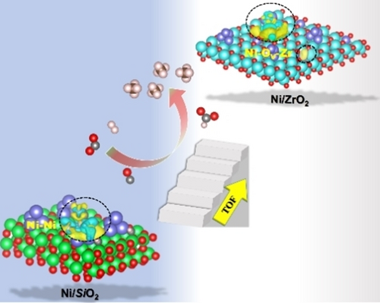
Rational design of low-cost and efficient transition-metal catalysts for low-temperature CO2 activation is significant and poses great challenges. Herein, a strategy via regulating the local electron density of active sites is developed to boost CO2 methanation that normally requires >350 °C for commercial Ni catalysts. An optimal Ni/ZrO2 catalyst affords an excellent low-temperature performance hitherto, with a CO2 conversion of 84.0 %, CH4 selectivity of 98.6 % even at 230 °C and GHSV of 12,000 mL g−1 h−1 for 106 h, reflecting one of the best CO2 methanation performance to date on Ni-based catalysts. Combined a series of in situ spectroscopic characterization studies reveal that re-constructing monoclinic-ZrO2 supported Ni species with abundant oxygen vacancies can facilitate CO2 activation, owing to the enhanced local electron density of Ni induced by the strong metal-support interactions. These findings might be of great aid for construction of robust catalysts with an enhanced performance for CO2 emission abatement and beyond.
January, 2024 · DOI: 10.1002/anie.202317669
Materiales y Procesos Catalíticos de Interés Ambiental y Energético
CuO-TiO2 pilot-plant system performance for solar photocatalytic hydrogen production
Villachica-Llamosas, JG; Ruiz-Aguirre, A; Colón, G; Peral, J; Malato, SInternational Journal of Hydrogen Energy, 51 (2024) 1069-1077 DOI: 10.1016/j.ijhydene.2023.07.149
Abstract
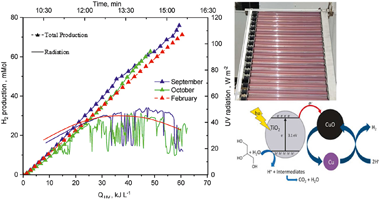
The main goal of the present study was to explore photocatalytic performance of the TiO2 -CuO mixture, for solar to hydrogen conversion at pilot plant scale under two different irradiation conditions (sunny and partly cloudy), focusing on high-temperature pretreat-ment of the catalyst mixture to try to improve TiO2 doping with copper. P25-TiO2 and commercial CuO were used with different amounts of Cu (2 wt% or 7 wt% Cu) calcined at 200-400 degrees C during several hours. Catalysts were tested at pilot plant scale using solar compound parabolic collectors, with glycerol as the sacrificial agent. The photocatalyst prepared after heating at 200 degrees C for 3 h and with 7 wt% Cu, resulted in higher hydrogen production than under the other heating conditions, and results were slightly better (5 -10%) than the reference values with the untreated catalysts. Photocatalytic efficiency was slightly lower at the higher calcination temperature (400 degrees C). CO2 production and formation of formate and glycolate clearly demonstrated glycerol photoreforming. The Cu from the calcined catalyst remaining on the solid was significantly less (2.5%) than on the non -calcined catalyst (4.2%), with an important fraction of lixiviated copper and copper deposition on the reactor walls. This is a critical drawback that must be considered for large-scale applications.
January, 2024 · DOI: 10.1016/j.ijhydene.2023.07.149
Química de Superficies y Catálisis
Switchable catalysis for methanol and synthetic natural gas synthesis from CO2: A techno-economic investigation
Merkouri, LP; Mathew, J; Jacob, J; Reina, TR; Duyar, MSJournal of CO2 Utilization, 79 (2024) 102652 DOI: 10.1016/j.jcou.2023.102652
Abstract
The oil and gas sector produces a considerable volume of greenhouse gas emissions, mainly generated from flaring and venting natural gas. Herein, a techno-economic analysis has been performed of a switchable catalytic process to convert the CH4 and CO2 in flared/vented natural gas into syngas or methanol. Specifically, it was shown that depending on greenhouse gas composition, dry methane reforming (DRM), reverse water-gas shift (RWGS), and CO2 methanation could be chosen to valorise emissions in an overall profitable and flexible operation scenario. The switchable process produced methanol and synthetic natural gas as its products, resulting in an annual income of €687m and annual operating expenses of €452m. The pre-tax profit was calculated at €234m, and at the end of the project, the net present value was calculated as €1.9b with a profitability index of 4.7€/€. The expected payback time of this process was ca. 4 years, and with a 35% internal rate of return (IRR). Most importantly, this process consumed 42.8m tonnes of CO2 annually. The sensitivity analysis revealed that variations in operation time, green hydrogen price, and products' prices significantly impacted the profitability of the process. Overall, this techno-economic analysis demonstrated that switchable catalysis in greenhouse gas utilisation processes is profitable, and thus it could play an important role in achieving net zero emissions.
January, 2024 · DOI: 10.1016/j.jcou.2023.102652
Química de Superficies y Catálisis
A review on high-pressure heterogeneous catalytic processes for gas-phase CO2 valorization
Villora-Picó, J.J; González-Arias, J; Pastor-Pérez, L; Odriozola, JA; Reina, TREnvironmental Research, 240 (2024) 117520 DOI: 10.1016/j.envres.2023.117520
Abstract
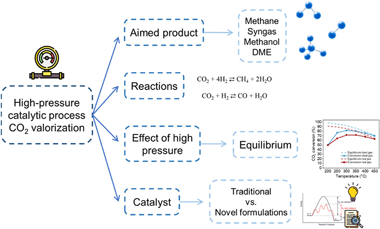
This review discusses the importance of mitigating CO2 emissions by valorizing CO2 through high-pressure catalytic processes. It focuses on various key processes, including CO2 methanation, reverse water-gas shift, methane dry reforming, methanol, and dimethyl ether synthesis, emphasizing pros and cons of high-pressure operation. CO2 methanation, methanol synthesis, and dimethyl ether synthesis reactions are thermodynami-cally favored under high-pressure conditions. However, in the case of methane dry reforming and reverse water -gas shift, applying high pressure, results in decreased selectivity toward desired products and an increase in coke production, which can be detrimental to both the catalyst and the reaction system. Nevertheless, high-pressure utilization proves industrially advantageous for cost reduction when these processes are integrated with Fischer-Tropsch or methanol synthesis units. This review also compiles recent advances in heterogeneous catalysts design for high-pressure applications. By examining the impact of pressure on CO2 valorization and the state of the art, this work contributes to improving scientific understanding and optimizing these processes for sustainable CO2 management, as well as addressing challenges in high-pressure CO2 valorization that are crucial for industrial scaling-up. This includes the development of cost-effective and robust reactor materials and the development of low-cost catalysts that yield improved selectivity and long-term stability under realistic working environments.
January, 2024 · DOI: 10.1016/j.envres.2023.117520
Nanotecnología en Superficies y Plasma
Green hydrogen production using doped Fe2O3 foams
Damizia, M; Lloreda-Jurado, PJ; De Filippis, P; de Caprariis, B; Chicardi, E; Sepúlveda, RInternational Journal of Hydrogen Energy, 51 (2024) 834-845 DOI: 10.1016/j.ijhydene.2023.09.008
Abstract
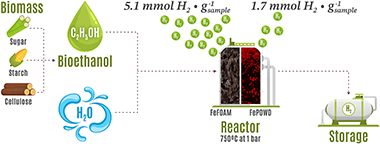
Hydrogen is the ideal energy vector to reduce our fossil-fuels dependency and diminish the climate change consequence. However, current production is still methane based. It is possible to produce hydrogen using bioethanol from the alcoholic fermentation of organic waste by chemical looping processes, but unfortunately current redox systems generate hydrogen with significant traces of CO. In the case of proton exchange membrane fuel cells (PEMFC), hydrogen must be highly purified to produce electricity. Here, high porosity inter-connected Fe2O3 foams doped with 2 wt% Al2O3 were manufactured by the freeze-casting method, obtaining around 5.1 mmol H2$g?1 sample of highly pure hydrogen (<10 ppm of CO) consuming only 3.42 mmol of ethanol on each redox cycles, with no deactivation. This result shows the possibility of using an abundant and inexpensive raw material as the iron oxide to scale-up the direct pure H2 production and facilitates its use in the automotive sector.
January, 2024 · DOI: 10.1016/j.ijhydene.2023.09.008
Química de Superficies y Catálisis
Feedstock recycling of cable plastic residue via steam cracking on an industrial-scale fluidized bed
Vela, IC; Maric, J; González-Arias, J; SeemannFuel, 355 (2024) 129518 DOI: 10.1016/j.fuel.2023.129518
Abstract
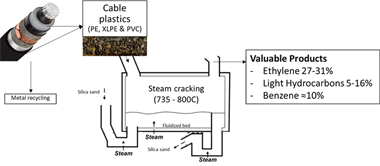
The use of plastic materials in a circular way requires a technology that can treat any plastic waste and produce the same quality of product as the original. Cable plastic residue from metal recycling of electric wires is composed of cross-linked polyethene (XLPE) and PVC, which is a mixture that cannot be mechanically recycled today. Through thermochemical processes, polymer chains are broken into syngas and monomers, which can be further used in the chemical industry. However, feedstock recycling of such a mixture (XLPE, PVC) has been scarcely studied on an industrial scale. Here, the steam cracking of cable plastic was studied in an industrial fluidised bed, aiming to convert cable plastics into valuable products. Two process temperatures were tested: 730 degrees C and 800 degrees C. The results show that the products consist of 27-31 wt% ethylene and propylene, 5-16% wt. % other linear hydrocarbons, and more than 10 wt% benzene. Therefore, 40%-60% of the products are highvalue chemicals that could be recovered via steam cracking of cable plastic.
January, 2024 · DOI: 10.1016/j.fuel.2023.129518
Química de Superficies y Catálisis
Natural hydrogen in the energy transition: Fundamentals, promise, and enigmas
Blay-Roger, R; Bach, W; Bobadilla, LF; Reina, TR; Odriozola, JA; Amils, R; Blay, VRenewable & Sustainable Energy Reviews, 189 (2024) 113888 DOI: 10.1016/j.rser.2023.113888
Abstract
Beyond its role as an energy vector, a growing number of natural hydrogen sources and reservoirs are being discovered all over the globe, which could represent a clean energy source. Although the hydrogen amounts in reservoirs are uncertain, they could be vast, and they could help decarbonize energy-intensive economic sectors and facilitate the energy transition. Natural hydrogen is mainly produced through a geochemical process known as serpentinization, which involves the reaction of water with low-silica, ferrous minerals. In favorable locations, the hydrogen produced can become trapped by impermeable rocks on its way to the atmosphere, forming a reservoir. The safe exploitation of numerous natural hydrogen reservoirs seems feasible with current technology, and several demonstration plants are being commissioned. Natural hydrogen may show variable composition and require custom separation, purification, storage, and distribution facilities, depending on the location and intended use. By investing in research, in the mid-term, more hydrogen sources could become exploitable and geochemical processes could be artificially stimulated in new locations. In the long term, it may be possible to leverage or engineer the interplay between microorganisms and geological substrates to obtain hydrogen and other chemicals in a sustainable manner.
January, 2024 · DOI: 10.1016/j.rser.2023.113888
Fotocatálisis Heterogénea: Aplicaciones
Ba3(PO4)2 Photocatalyst for Efficient Photocatalytic Application
Naciri, Y; Ahdour, A; Benhsina, E; Hamza, MA; Bouziani, A; Hsini, A; Bakiz, B; Navio, JA; Ghazzal, MNGlobal Challenges, 8(1) (2024) 2300257 DOI: 10.1002/gch2.202300257
Abstract
Barium phosphate (Ba-3(PO4)(2)) is a class of material that has attracted significant attention thanks to its chemical stability and versatility. However, the use of Ba-3(PO4)(2) as a photocatalyst is scarcely reported, and its use as a photocatalyst has yet to be reported. Herein, Ba-3(PO4)(2) nanoflakes synthesis is optimized using sol-gel and hydrothermal methods. The as-prepared Ba-3(PO4)(2) powders are investigated using physicochemical characterizations, including XRD, SEM, EDX, FTIR, DRS, J-t, LSV, Mott-Schottky, and EIS. In addition, DFT calculations are performed to investigate the band structure. The oxidation capability of the photocatalysts is investigated depending on the synthesis method using rhodamine B (RhB) as a pollutant model. Both Ba-3(PO4)(2) samples prepared by the sol-gel and hydrothermal methods display high RhB photodegradation of 79% and 68%, respectively. The Ba-3(PO4)(2) obtained using the sol-gel process exhibits much higher stability under light excitation after four regeneration cycles. The photocatalytic oxidation mechanism is proposed based on the active species trapping experiments where O-2(center dot-) is the most reactive species. The finding shows the promising potential of Ba-3(PO4)(2) photocatalysts and opens the door for further investigation and application in various photocatalytic applications.
January, 2024 · DOI: 10.1002/gch2.202300257
Nanotecnología en Superficies y Plasma
Towards efficient strain engineering of 2D materials: A four-points bending approach for compressive strain
Li, H; Carrascoso, F; Borrás, A; Moreno, GP; Aparicio, FJ; Barranco, A; Gómez, ACNano Research, 17 (2024) 5317-5325 DOI: 10.1007/s12274-023-6402-7
Abstract
Strain engineering, as a powerful strategy to tune the optical and electrical properties of two-dimensional (2D) materials by deforming their crystal lattice, has attracted significant interest in recent years. 2D materials can sustain ultra-high strains, even up to 10%, due to the lack of dangling bonds on their surface, making them ideal brittle solids. This remarkable mechanical resilience, together with a strong strain-tunable band structure, endows 2D materials with a broad optical and electrical response upon strain. However, strain engineering based on 2D materials is restricted by their nanoscale and strain quantification troubles. In this study, we have modified a homebuilt three-points bending apparatus to transform it into a four-points bending apparatus that allows for the application of both compressive and tensile strains on 2D materials. This approach allows for the efficient and reproducible construction of a strain system and minimizes the buckling effect caused by the van der Waals interaction by adamantane encapsulation strategy. Our results demonstrate the feasibility of introducing compressive strain on 2D materials and the potential for tuning their optical and physical properties through this approach.
January, 2024 · DOI: 10.1007/s12274-023-6402-7
Materiales Nanoestructurados y Microestructura
Microstructural evolution and properties of He-charged a-Si coatings prepared by magnetron sputtering
Godinho, V; Caballer-Hernández, J; Lacroix, B; Ferrer, FJ; Jamon, D; Jiménez de Haro, MC; Fernández, AApplied Surface Science, 643 (2024) 158681 DOI: 10.1016/j.apsusc.2023.158681
Abstract
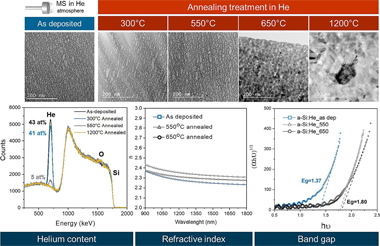
The introduction of porosity in nanomaterials via magnetron sputtering in helium atmospheres is an interesting strategy for the design of functional materials. Amorphous silicon coatings, with high concentration of He incorporated in the form of overpressurized nano-bubbles, present modified optical properties in comparison with dense coatings of similar composition.
In this work, annealing process in He atmosphere from 300 °C up to 1200 °C is performed to evaluate stability after the release of He from the a-Si:He coatings (thickness ∼1700 nm) and to favor matrix crystallization and defect evolution. The work is focused on these effects on the silicon film and its properties. The composition and microstructural evolution of the coatings annealed to temperatures as high as 1200° were investigated by electron microscopy and X-Ray diffraction. Annealing effects on the optical properties and bandgap of the silicon coatings were evaluated by ellipsometry and UV–Vis spectrometry. Helium release from the coating, densification, defects evolution and ordering due to crystallization have a small effect on the refractive index, but cause a significant change in the material band gap from 1.37 eV to 1.80 eV.
January, 2024 · DOI: 10.1016/j.apsusc.2023.158681
Química de Superficies y Catálisis
Optimized electrocatalytic degradation of ciprofloxacin using Co3O4 coated stainless steel electrodes
Saleem, MU; Jawad, M; Azad, F; Nawaz, MA; Zaman, WQ; Miran, WColloids and Surfaces A-Physicochemical and Engineering Aspects, 681 (2024) 132738 DOI: 10.1016/j.colsurfa.2023.132738
Abstract
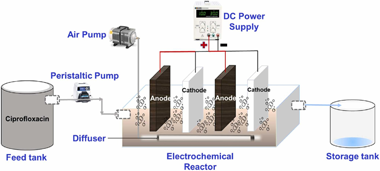
Ciprofloxacin (CIP) is a fluoroquinolone antibiotic that is widely used across the globe and its release is a serious concern due to its persistent nature, partial degradation, and simple transport through different environmental matrices. Pharmaceuticals have been degraded effectively by electrochemical oxidation. Exploring ways to in-crease the mineralization of these compounds while maintaining low power consumption is important. In this study, the treatability and degradation of CIP were investigated by using cobalt oxide-coated stainless steel (SS) electrodes in a lab-scale electrochemical (EC) reactor. The performance of the electrochemical reactor was determined under various operational conditions. The feed wastewater was synthetically prepared in the laboratory with varying concentrations of CIP ranging from 8 to 41 mg/L and the EC reactor was operated with an applied voltage and airflow rate of 2.6-9.3 volts and 1.6-3.5 L/min, respectively. A 3-factor central composite experimental design (CCD) was developed by using response surface methodology (RSM) in Design-Expert software. At a residence time of 27 min, initial concentration of 25 mg/L, airflow rate of 2.5 L/min, and applied voltage of 6 volts, the EC reactor achieved a removal efficiency of 70.8% for CIP with SS electrodes. On the contrary, the removal efficiency was increased to 91.5% at a reduced residence time of 21 min with cobalt oxide (Co3O4) coated over SS plates. The results indicated that Co3O4@SS electrodes resulted in better removal efficiency of CIP at a lower residence time. This system can be used as a robust benchmark for a single or consortium of antibiotics present in domestic and hospital wastewater.
January, 2024 · DOI: 10.1016/j.colsurfa.2023.132738
Materiales Ópticos Multifuncionales
Quantification of Emission Efficiency in Persistent Luminescent Materials
Castaing, V; Romero, M; Rytz, D; Lozano, G; Lozano, G; Miguez, HAdvanced Optical Materials, 12 (2024) 36 DOI: 10.1002/adom.202401638
Abstract
Accurate quantification of efficiency enables rigorous comparison between different photoluminescent materials, providing an optimization path critical to the development of next-generation light sources. Persistent luminescent materials exhibit delayed and long-lasting luminescence due to the temporary storage of optical energy in engineered structural defects. Standard characterization methods do not provide a universal comparison of phosphor performance, hindering the evaluation of the efficiency of the various processes involved in afterglow. Here, a protocol is established to determine the quantum yield of persistent phosphors by considering the ratio of photons emitted in the afterglow and during charging to those absorbed. The method is first applied to transparent single crystals of the most common persistent phosphors, such as SrAl2O4:Eu2+,Dy3+ and Y3Al2Ga3O12:Ce3+,Cr3+. The versatility of the methodology is demonstrated by quantifying the quantum yield of a ZnGa2O4:Cr3+ thin film, a material widely used in in vivo imaging. The high efficiency of strontium aluminate is confirmed, and a strong dependence of the obtained values on the illumination conditions is revealed, highlighting a trade-off between efficiency and brightness. The results contribute to the development of standardized protocols for analyzing afterglow mechanisms and assessing overall efficiency, facilitating rigorous comparison and optimization of persistent materials beyond trial-and-error approaches.
· DOI: 10.1002/adom.202401638
2023
2023
Materiales de Diseño para la Energía y Medioambiente
Plasticized, greaseproof chitin bioplastics with high transparency and biodegradability
Heredia-Guerrero, JA; Benitez, JJ; Porras-Vazquez, JM; Tedeschi, G; Morales, Y; Fernandez-Ortuno, D; Athanassiou, A; Guzman-Puyol, SFood Hydrocolloids, 145 (2023) 109072 DOI: 10.1016/j.foodhyd.2023.109072
Abstract
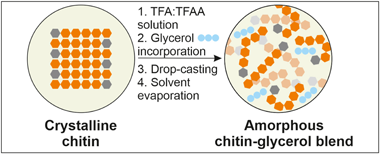
A mixture of trifluoroacetic acid:trifluoroacetic anhydride (TFA:TFAA) was used to dissolve chitin from shrimp shells. Free-standing films were prepared by blending the chitin solution and glycerol at different percentages, followed by drop-casting, and the complete evaporation of the solvents. After this process, the chitin matrix showed an amorphous molecular structure, as determined by X-ray diffraction. Optical, mechanical, thermal, and antioxidant properties were also thoroughly investigated. The incorporation of glycerol induced a plasticizing effect on the mechanical response of films and improved their transparency. In addition, hydrodynamic and barrier properties were determined by contact angle and water vapor/oxygen transmission rates, respectively, and revealed typical values of other polysaccharides. These bioplastics also presented an excellent greaseproof behavior with the highest degree of oil repellency as determined by the Kit test. Moreover, the overall migration was evaluated by using Tenax & REG; as a dry food simulant and levels were compliant with European regulations. Their antifungal properties were tested using Botrytis cinerea as a model. Biodegradability was also determined by measuring the biological oxygen demand in seawater. Degradation rates were high and similar to those of other fully-degradable materials.
December, 2023 · DOI: 10.1016/j.foodhyd.2023.109072
Nanotecnología en Superficies y Plasma
Spherosilicate-modified epoxy coatings with enhanced icephobic properties for wind turbines applications
Kozera, R; Zietkowska, K; Przybyszewski, B; Boczkowska, A; Sztorch, B; Paku, D; Przekop, RE; Trzcinski, J; Borras, AColloids and Surfaces A-Physicochemical and Engineering Aspects, 679 (2023) 132475 DOI: 10.1016/j.colsurfa.2023.132475
Abstract
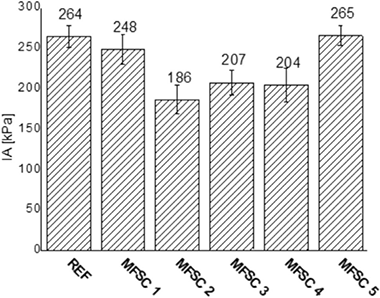
Industries around the world use active methods, which include thermal, mechanical and chemical approaches, to reduce icing on aerodynamic surfaces such as wind turbines and aircraft. However, they are often inefficient, costly, and pollute the environment. For years, new coatings with anti-icing properties (so-called icephobic coatings) have been developed to either replace or work in tandem with active systems. In this study, coatings were designed based on an epoxy gelcoat commonly used for wind turbines through chemical modification with spherosilicate derivatives. Di- and tri-functional spherosilicates have both groups that increase the degree of hydro-/icephobicity of composites , groups capable of interacting with epoxy resin and amine hardener. The icephobicity of the surface was determined using ice adhesion. The lowest value of this parameter reached a value of 186 kPa, a 30 % reduction compared to the unmodified coating. In addition, the hydrophobicity of the surface was determined (the highest water contact angle was equal to 103 degrees). A correlation was observed, proven in many works, that as the surface roughness increases, the anti-icing properties deteriorate. For individual modifications, it was also shown that hydrophobicity has a positive effect on ice adhesion. The work also examined the surface zeta potential and determined the durability of the properties after 100 icing/deicing cycles.
December, 2023 · DOI: 10.1016/j.colsurfa.2023.132475
Química de Superficies y Catálisis
Alkane metathesis over immobilized pincer-ligated iridium complexes: Effect of support nature
Megías-Sayago, C; Centeno-Vega, I; Bobadilla, LF; Ivanova, S; Rendon, N; Suarez, AApplied Catalysis B-Environmental, 338 (2023) 123002 DOI: 10.1016/j.apcatb.2023.123002
Abstract
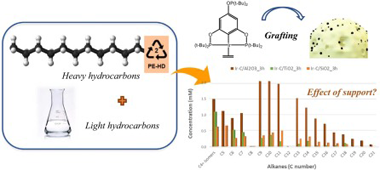
In this work, catalytic alkane metathesis has been evaluated as a suitable approach to upcycle hydrocarbons (polyolefins) at moderate temperatures. To this end, a pincer-ligated iridium complex (dehydrogenation catalyst) has been combined with a rhenium-based (metathesis) catalyst, being the effect of immobilizing the Ir complex over different supports deeply investigated. FTIR spectroscopy has been used to confirm the complex grafting and to elucidate the anchoring site to the support. Additionally, the supports have been dehydroxylated at different conditions to evaluate its possible impact in both the complex grafting and the catalytic activity. The influence of the support nature and its participation in the catalytic reaction have been clearly evidenced.
December, 2023 · DOI: 10.1016/j.apcatb.2023.123002
Materiales de Diseño para la Energía y Medioambiente
Incorporation of bioactive compounds from avocado by-products to ethyl cellulose-reinforced paper for food packaging applications
Acquavia, MA; Benitez, JEJ; Bianco, G; Crescenzi, MA; Hierrezuelo, J; Grife-Ruiz, M; Romero, D; Guzman-Puyol, S; Heredia-Guerrero, JAFood Chemistry, 429 (2023) 136906 DOI: 10.1016/j.foodchem.2023.136906
Abstract
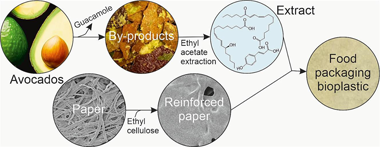
Reinforced films were fabricated by impregnating paper in ethyl cellulose solutions. After solvent evaporation, the infused ethyl cellulose acted as binder of the paper microfibres and occupied the pores and cavities, thus improving the mechanical and barrier properties. To prepare active films, avocado by-products from guacamole industrial production were extracted in ethyl acetate. Then, the extract (optimized to be rich in phenolic compounds and flavonoids and mainly composed by lipids) was incorporated to the paper reinforced with the highest content of ethyl cellulose. In general, the addition of the avocado by-products extract decreased the water uptake and permeability, improved the wettability, and increased the biodegradability in seawater and the antioxidant capacity. In addition, these films acted as barriers and retainers for Escherichia coli and Bacillus cereus. The potentiality of these materials for food packaging was demonstrated by low overall migrations and a similar food preservation to common low-density polyethylene.
December, 2023 · DOI: 10.1016/j.foodchem.2023.136906
Materiales y Procesos Catalíticos de Interés Ambiental y Energético
Photoreforming of glycerol to produce hydrogen from natural water in a compound parabolic collector solar photoreactor
Villachica-Llamosas, JG; Sowik, J; Ruiz-Aguirre, A; Colón, G; Peral, J; Malato, SJournal of Environmental Chemical Engineering, 11 (2023) 111216 DOI: 10.1016/j.jece.2023.111216
Abstract
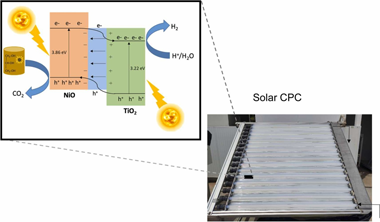
To improve TiO2 for H2 generation, one strategy for the separation of photogenerated charges is the formation of heterostructures with other materials. In particular, NiO is a photocatalyst known for its good stability and low cost. However, no studies at pilot scale using solar energy have been described. Consequently, an evaluation of a physical NiO:TiO2 mixture at pilot scale (25 L) with natural irradiation (2.10 m2 of sun-exposed surface) and with simultaneous glycerol photoreforming was explored. NiO:TiO2 50 mg & sdot;L- 1 resulted in the highest hydrogen production, showing an STH = 1.44%, considering only the UV fraction of the solar irradiation. H2 and CO2 production were analysed by on-line GC; Glycerol, dissolved organic carbon, carboxylic acids and nickel leaching were also evaluated. The NiO:TiO2 mixtures rendered a systematically lower H2 production in natural water than in high-purity water. The increase of ionic strength increased the mean size of particle clusters, promoting rapid sedimentation. All this indicates the importance of testing under real field conditions for attaining reliable solar to hydrogen (STH) efficiency.
December, 2023 · DOI: 10.1016/j.jece.2023.111216
Química de Superficies y Catálisis
Effect of zeolite topological structure in bifunctional catalyst on direct conversion of syngas to light olefins
Meng, FH; Gong, ZY; Yang, LL; Wang, Q; Xing, MQ; Nawaz, MA; Li, ZMicroporous and Mesoporous Materials, 362 (2023) 112792 DOI: 10.1016/j.micromeso.2023.112792
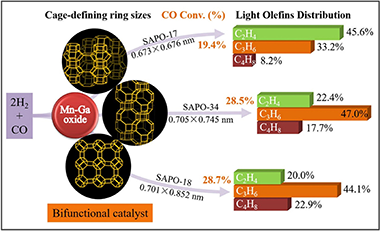
Abstract
Bifunctional catalyst composed of metal oxide and zeolite (OX-ZEO) is a promising strategy for the direct conversion of syngas to light olefins (STO), where the structure of zeolite plays a vital role in determining the selectivity of product. Herein, three kinds of silicoaluminophosphate zeolites with different topological structures, i.e., the ERI(SP17), AEI(SP18) and CHA(SP34), were hydrothermally synthesized, after the combination with Mn-Ga oxide, the prepared OX-ZEO was applied for STO reaction. The variation in the crystallization time for SP17 synthesis has a great impact on the generation of impurity phase of SAPO-5, where a crystallization time of 48-96 h is found to be beneficial in synthesizing SP17 zeolite with pure phase. SP17 zeolite with a crystallization time of 96 h, possesses the micropores and columnar morphology, where the small cage-defining 8-ring size of SP17 shows the olefins selectivity of 87.0% at a low CO conversion of 19.4%, significantly deviating towards the major fraction of ethylene (45.6%) than that of butene (8.2%). In a contrast, SP18 and SP34 zeolites with the same and large cage-defining 8-ring size, are richer in propylene and butene fractions than that of ethylene in overall similar olefins selectivity of 87.0% and 87.1% at CO conversion of 28.7% and 28.5%, respectively. Interestingly, it is further interpreted that the SP17 sample generated more carbon species during the reaction due to the small 8-ring size, while those amounts of carbon species were restricted in the hierarchical pore structure and plate-like morphology in SP18 and SP34 samples.
December, 2023 · DOI: 10.1016/j.micromeso.2023.112792
Reactividad de Sólidos
Efficient SrO-based thermochemical energy storage using a closed-loop pressure swing
Amghar, N; Sánchez-Jiménez, PE; Ortiz, C; Pérez-Maqueda, LA; Perejón, AApplied Thermal Engineering, 235 (2023) 121411 DOI: 10.1016/j.applthermaleng.2023.121411
Abstract
The SrCO3/SrO system has recently attracted interest for thermochemical energy storage due to the high energy densities potentially attainable. However, the high temperatures needed to promote calcination involve a sintering-induced deactivation of SrO to carbonation. In this work, SrO-based samples have been tested using a closed-loop pressure swing approach involving calcinations and carbonations at absolute pressures of 0.01 bar and 1 bar CO2, respectively. Using low CO2 absolute pressure for calcination decreases the reaction temperature to 900 degrees C, thus reducing the deactivation of SrO. Moreover, the use of additives further improves the reactivity of the samples. The addition of ZrO2 and MgO by mechanical mixing and acetic acid treatment, respectively, results in samples with very high multicycle performance, yielding material energy storage densities after twenty cycles above 5.0 GJ/m3. These results significantly improve those obtained for similar samples in which calcinations and carbonations were carried out at an absolute pressure of 1 bar CO2. Regarding the integration of the thermochemical energy storage into concentrating solar power plants, calcining SrO-based materials at low pressure increases the net thermal-to-electric efficiencies by up to 6 % points compared to CaO-based materials calcined at the same conditions. The importance of experimental conditions and precursors in the multicycle behaviour of SrO-based materials for thermochemical energy storage is emphasized.
November, 2023 · DOI: 10.1016/j.applthermaleng.2023.121411
Materiales Coloidales
Mn2+-doped MgGeO3 nanophosphors with controlled shape and optimized persistent luminescence
González-Mancebo, D; Arroyo, E; Becerro, AI; Ocaña, MCeramics International, 49 (2023) 36791-36799 DOI: 10.1016/j.ceramint.2023.09.008
Abstract
Mn2+-doped MgGeO3 (MgGeO3:Mn2+) is an efficient persistent phosphor that emits red luminescence for long time after stopping excitation with UV light. For optical and biotechnological uses a precise control of particle size and shape is highly desired since these parameters may have a strong influence on the properties and suitability of phosphor materials for the intended applications. To the best of our knowledge, MgGeO3:Mn2+ has been synthesized by conventional solid-state-reaction, which yields particles of heterogeneous size and shape. Here, we report for the first time in the literature a salt-assisted method for the synthesis of MgGeO3:Mn2+ nanoparticles with uniform shape (nanorods) and a mean size of 350 nm x 99 nm. The rigorous study of the luminescence properties of the MgGeO3:Mn2+ nanorods revealed that whereas the optimum doping level for photoluminescence was 2.0 mol% Mn2+, the best persistent luminescence was attained with just 0.5 mol% Mn2+, which is ascribed to the different mechanisms of both luminescence processes. The optimum persistent nano-phosphor showed an intense red emission, which persisted at least 17 h after stopping the excitation. Such excellent properties make the developed nanophosphor an attractive candidate for use in optical and biotech-nological applications.
November, 2023 · DOI: 10.1016/j.ceramint.2023.09.008
Química de Superficies y Catálisis
Glucose dehydration reaction over metal halides supported on activated charcoal catalysts
Martin, Gabriel Delgado; Lara, Beatriz; Bounoukta, Charf Eddine; Domínguez, María Isabel; Ammari, Fatima; Ivanova, Svetlana; Centeno, Miguel ÁngelCatalysis Today, 423 (2023) 114012 DOI: 10.1016/j.cattod.2023.01.019
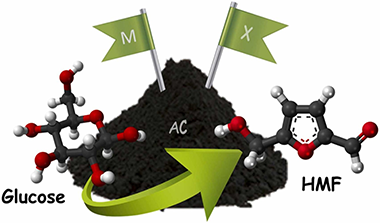
Abstract
Different metal halide catalysts supported on a commercial active charcoal have been synthesized, activated, characterized and tested in glucose dehydration to 5-hydroxymethylfurfural using a biphasic water/methyl isobutyl ketone media. The influence of the cation nature (K+, Ca2+, Sr2+, Mg2+) and anion nature (F-, Cl-, Br-) on the catalytic performance of the solid is discussed in terms of glucose conversion, HMF yield and products selectivity. The activation of the impregnated catalysts results in a great diversity of active sites, such as Bronsted sites (carboxylic groups), basic sites (metal oxide), and Lewis acid site (Mn+). Their distribution within the samples determinates the resulting products and the final HMF yield.
November, 2023 · DOI: 10.1016/j.cattod.2023.01.019
Química de Superficies y Catálisis
Coal Chemistry Industry: From Production of Liquid Fuels to Fine Chemicals to Carbon Materials
Zhang, YY; Li, HT; Reina, TR; Liu, JEnergy & Fuels, (2023) DOI: 10.1021/acs.energyfuels.3c02661
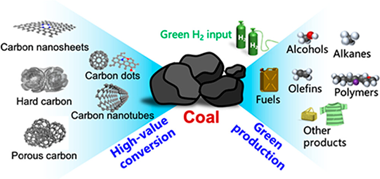
Abstract
Coal resources are one of the key energy sources and essential for modern economic development. Despite the traditional coal industries having made considerable contributions to chemical production and energy storage, the accompanying environmental pollution and high energy consumption have also arisen that cause significant influence of the ecological balance. Hence, there is an urgent need to exploit feasible approaches to the sustainable utilization of coal resources. This review begins with a comprehensive summary of the representative coal chemistry technologies with critical discussions. Subsequently, a novel strategy coupled with green hydrogen is discussed for sustainable conversion of coal and highly efficient manufacture of downstream products. Moreover, the unique role of coal in terms of high-value-added carbon material production is highlighted as a low-cost resource for distinct applications. Finally, we propose several future directions for advanced coal chemistry development.
November, 2023 · DOI: 10.1021/acs.energyfuels.3c02661
Nanotecnología en Superficies y Plasma
H2 Production from NH3 in a BaTiO3 Moderated Ferroelectric Packed-Bed Plasma Reactor
Ruiz-Martín, M; Marin-Meana, S; Megías-Sánchez, A; Oliva-Ramírez, M; Cotrino, J; González-Elipe, AR; Gómez-Ramírez, APlasma Chemistry and Plasma Processing, 43 (2023) 2093-2110 DOI: 10.1007/s11090-023-10427-7
Abstract
Plasma decomposition reactions are used for various gas phase chemical processes including the decomposition of ammonia. In this work we show that pure ammonia can be effectively decomposed at atmospheric pressure and ambient temperature using a packed-bed plasma reactor moderated with BaTiO3 ferroelectric pellets without catalyst. The decomposition rate and energy efficiency of this ferroelectric barrier discharge reactor have been monitored as a function of applied voltage (up to a maximum value of 2.5 kV) and flow rate. For each operating condition reaction efficiencies have been correlated with the parameters defining the electrical response of the reactor. It is found that plasma current and volume inside the reactor and hence the energy efficiency of the process and the decomposition rate vary with the applied voltage and the flow of ammonia (a maximum decomposition rate of 14% and an energy efficiency of 150 LH2/kWh has been determined under optimized operation conditions). The role of back reactions (i.e. N2 + 3H2 → 2NH3) in decreasing reactor performance is another key effect affecting the overall efficiency for the ammonia decomposition. The possibilities of ferroelectric barrier discharge reactors to induce the decomposition of ammonia and the importance of keeping the operating temperature below the Curie temperature of the ferroelectric material are highlighted.
November, 2023 · DOI: 10.1007/s11090-023-10427-7
Química de Superficies y Catálisis
Multicomponent graphene based catalysts for guaiacol upgrading in hydrothermal conditions: Exploring "H2-free" alternatives for bio-compounds hydrodeoxygenation
Parrilla-Lahoz, S; Jin, W; Pastor-Perez, L; Duyar, MS; Martinez-Quintana, L; Dongil, AB; Reina, TRCatalysis Today, 422 (2023) 114235 DOI: 10.1016/j.cattod.2023.01.027
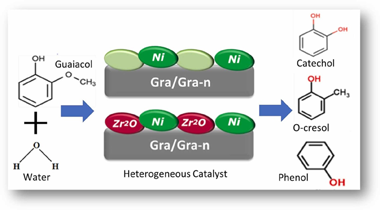
Abstract
Catalytic hydrodeoxygenation (HDO) is a critical technique for upgrading biomass derivatives to deoxygenated fuels or other high-value compounds. Phenol, guaiacol, anisole, p-cresol, m-cresol and vanillin are all monomeric phenolics produced from lignin. Guaiacol is often utilised as a model lignin compound to deduce mechanistic information about the bio-oil upgrading process. Typically, a source of H2 is supplied as reactant for the HDO reaction. However, the H2 supply, due to the high cost of production and additional safety precautions needed for storage and transportation, imposes significant economic infeasibilities on the HDO process's scaling up. We investigated a novel H2-free hydrodeoxygenation (HDO) reaction of guaiacol at low temperatures and pressures, using water as both a reaction medium and hydrogen source. A variety of Ni catalysts supported on zirconia/ graphene/with/without nitrogen doping were synthesised and evaluated at 250 degrees C and 300 degrees C in a batch reactor, with the goal of performing a multi-step tandem reaction including water splitting followed by HDO. The catalysts were characterised using H2-TPR, XRD, TEM and XPS to better understand the physicochemical properties and their correlation with catalytic performance of the samples in the HDO process. Indeed, our NiZr2O/Gr-n present the best activity/selectivity balance and it is deemed as a promising catalyst to conduct the H2-free HDO reaction. The catalyst reached commendable conversion levels and selectivity to mono-oxygenated compounds considering the very challenging reaction conditions. This innovative HDO approach provides a new avenue for cost-effective biomass upgrading.
November, 2023 · DOI: 10.1016/j.cattod.2023.01.027
Materiales Ópticos Multifuncionales
Enhancement of upconversion photoluminescence in phosphor nanoparticle thin films using metallic nanoantennas fabricated by colloidal lithography
Ngo, TT; Viaña, JM; Romero, M; Calvo, ME; Lozano, G; Miguez, HMaterials Advances, 4 (2023) 6381-6388 DOI: 10.1039/D3MA00775H
Abstract
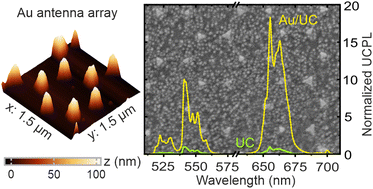
Lanthanide-doped upconversion nanoparticles (UCNPs), as multifunctional light sources, are finding utility in diverse applications ranging from biotechnology to light harvesting. However, the main challenge in realizing their full potential lies in achieving bright and efficient photon upconversion (UC). In this study, we present a novel approach to fabricate an array of gold nanoantennas arranged in a hexagonal lattice using a simple and inexpensive colloidal lithography technique, and demonstrate a significant enhancement of UC photoluminescence (UCPL) by up to 35-fold through plasmon-enhanced photoexcitation and emission. To elucidate the underlying physical mechanisms responsible for the observed UCPL enhancement, we provide a comprehensive theoretical and experimental characterization, including a detailed photophysical description and numerical simulations of the spatial electric field distribution. Our results shed light on the fundamental principles governing the enhanced UCNPs and pave the way for their potential applications in photonic devices.
November, 2023 · DOI: 10.1039/D3MA00775H
Materiales de Diseño para la Energía y Medioambiente
A technological approach based on engineered nanoclay composites for cesium and iodine retention
Osuna, FJ; Pavon, E; Alba, MDChesmosphere, 341 (2023) 140128 DOI: 10.1016/j.chemosphere.2023.140128
Abstract
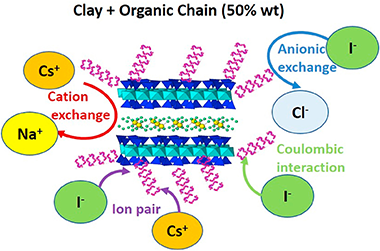
The development of effective and environmentally friendly methods for separating hazardous radionuclides from waste poses a significant technological challenge. 137Cs and 131I are among the most important radionuclides discharged into the environment by nuclear power plants. One of the best ways to eliminate them involves adsorption on clay minerals. In this regard, studies have demonstrated that organofunctionalized clay minerals are effective adsorbents. Thus, this study investigates the capability of organofunctionalized synthetic design clay minerals to jointly eliminate cesium and iodine. The adsorbents studied are a range of organofunctionalized clay minerals with alkylammonium cations of different alkyl chain lengths (2, 3 and 18) and some physical mixtures of raw clay minerals and octadecylammonium compounds. Organofunctionalized synthetic swelling highly charged micas are effective adsorbents for the simultaneous adsorption of cesium and iodine. In addition, the optimal system is a mixture of Na-M4 with octadecylammonium (50% w/w).
November, 2023 · DOI: 10.1016/j.chemosphere.2023.140128
Fotocatálisis Heterogénea: Aplicaciones
Bismuth ferrite as innovative and efficient photocatalyst for the oxidation of As(III) to As(V) under visible light
Chianese, L; Murcia, JJ; Hidalgo, MC; Vaiano, V; Iervolino, GMaterials Science in Semiconductor Processing, 167 (2023) 107801 DOI: 10.1016/j.mssp.2023.107801
Abstract
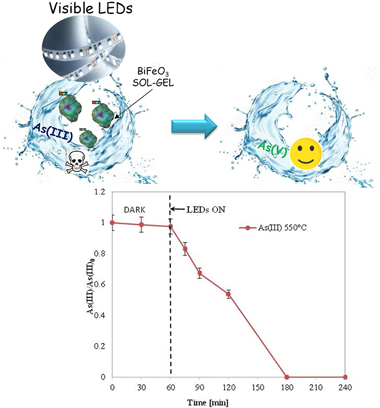
The presence of As in drinking water is a problem felt all over the world. In particular, arsenic is present in +3 (As(III)) and +5 (As(V)) oxidation states. However, As(III) is the most toxic and difficult to remove with conventional adsorption processes. A pre-oxidation process is therefore necessary. In this work, we report, for the first time, the use of BiFeO3 as a visible-light active photocatalyst for the complete and fast oxidation of As(III) to As(V) in water. In particular, the influence of annealing temperature for BiFeO3 preparation was studied and the prepared photocatalysts were characterized through XRD, N2 adsorption at −196°C, TEM, XPS, Raman and UV–Vis DRS spectroscopy. The best photocatalytic activity was achieved with BiFeO3 calcined at 550°C. The influence of catalyst dosage and the role of the main oxidizing species was evaluated, evidencing the key role of h+ in the photooxidation reaction of As(III) to As(V). Moreover, the efficiency of the photocatalyst was also evaluated in the case of drinking water contaminated by arsenic. The results demonstrated that, despite the presence of dissolved salts in the drinking water, the photocatalyst maintained its activity. The results obtained in this work prove that BiFeO3 calcined at 550°C evidenced photocatalytic performances better than different photocatalyst formulations studied for the photooxidation of As(III) to As(V) under visible light.
November, 2023 · DOI: 10.1016/j.mssp.2023.107801
Química de Superficies y Catálisis
Experimental optimization of Ni/P atomic ratio for nickel phosphide catalysts in reverse water-gas shift
Gul Hameed, Ali Goksu, Loukia-Pantzechroula Merkouri, Anna Penkova, Tomas Ramirez Reina, Sergio Carrasco Ruiz, Melis Seher DuyarJournal of CO2 Utilization, 77 (2023) 102606 DOI: 10.1016/j.jcou.2023.102606
Abstract
Nickel phosphide catalysts show a high level of selectivity for the reverse water-gas shift (RWGS) reaction, inhibiting the competing methanation reaction. This work investigates the extent to which suppression of methanation can be controlled by phosphidation and tests the stability of phosphide phases over 24-hour time on stream. Herein the synthesis of different phosphide crystal structures by varying Ni/P atomic ratios (from 0.5 to 2.4) is shown to affect the selectivity to CO over CH4 in a significant way. We also show that the activity of these catalysts can be fine-tuned by the synthesis Ni/P ratio and identify suitable catalysts for low temperature RWGS process. Ni12P5-SiO2 showed 80–100% selectivity over the full temperature range (i.e., 300–800 °C) tested, reaching 73% CO2 conversion at 800 °C. Ni2P-SiO2 exhibited CO selectivity of 93–100% over a full temperature range, and 70% CO2 conversion at 800 °C. The highest CO2 conversions for Ni12P5-SiO2 at all temperatures among all catalysts showed its promising nature for CO2 capture and utilisation. The methanation reaction was suppressed in addition to RWGS activity improvement through the formation of nickel phosphide phases, and the crystal structure was found to determine CO selectivity, with the following order Ni12P5 >Ni2P > Ni3P. Based on the activity of the studied catalysts, the catalysts were ranked in order of suitability for the RWGS reaction as follows: Ni12P5-SiO2 (Ni/P = 2.4) > Ni2P-SiO2 (Ni/P = 2) > NiP-SiO2 (Ni/P = 1) > NiP2-SiO2 (Ni/P = 0.5). Two catalysts with Ni/P atomic ratios; 2.4 and 2, were selected for stability testing. The catalyst with Ni/P ratio = 2.4 (i.e., Ni12P5-SiO2) was found to be more stable in terms of CO2 conversion and CO yield over the 24-hour duration at 550 °C. Using the phosphidation strategy to tune both selectivity and activity of Ni catalysts for RWGS, methanation as a competing reaction is shown to be no longer a critical issue in the RWGS process for catalysts with high Ni/P atomic ratios (2.4 and 2) even at lower temperatures (300–500 °C). This opens up potential low temperature RWGS opportunities, especially coupled to downstream or tandem lower temperature processes to produce liquid fuels.
November, 2023 · DOI: 10.1016/j.jcou.2023.102606
Reactividad de Sólidos
Integration of calcium looping and calcium hydroxide thermochemical systems for energy storage and power production in concentrating solar power plants
Carro, A; Chacartegui, R; Ortiz, C; Arcenegui-Troya, J; Perez-Maqueda, LA; Becerra, JAEnergy, 283 (2023) 128388 DOI: 10.1016/j.energy.2023.128388
Abstract
Energy storage is a key factor in the development of renewables-based electrical power systems. In recent years, the thermochemical energy storage system based on calcium-looping has emerged as an alternative to molten salts for energy storage in high-temperature concentrated solar power plants. This technology still presents some challenges that could be solved by integrating the thermochemical energy storage system based on calcium hydroxide. This work studies a novel concentrated solar power system integrating calcium-looping and calcium hydroxide thermochemical energy storage systems. The results show that the combined use of hydration -dehydration cycles in the calcination-carbonation processes of the calcium looping for energy storage could partially solve the issue related to the multicyclic deactivation of calcium oxide. The improvement in the con-version of calcium oxide during carbonation is demonstrated experimentally when hydration-dehydration cycles are combined. Numerical simulations demonstrate the technical feasibility of the integrated process, with effi-ciencies ranging between 38-46%, improved with the increase in calcium oxide conversion in the carbonator, showing the potential of the proposed integration.
November, 2023 · DOI: 10.1016/j.energy.2023.128388
Química de Superficies y Catálisis
Low-temperature reverse water gas-shift reaction over highly efficient Cu-hydrotalcites: Mechanistic insights on the role of malachite phase
Alvarez-Hernandez, D; Marin-Sanchez, M; Lobo-Andrades, L; Azancot, L; Bobadilla, LF; Ivanova, S; Centeno, MACatalysis Today, 422 (2023) 114235 DOI: 10.1016/j.cattod.2023.114235
Abstract
Carbon dioxide (CO2) transformation into valuable fuels and chemicals is in most cases a challenge far from readiness nowadays. One possible route for its conversion is the reverse water gas shift reaction (rWGS), crucial for syngas generation and required for the chemical conversion of CO2 to fuels and platform chemicals. In this paper, well organized Cu/Zn/Al structures were proposed as efficient catalysts for rWGS reaction at low tem-peratures. The results of in situ XRD revealed the formation of layered structures such malachite and hydro-talcite. The operando DRIFTS-MS studies of those structure suggests a participation of Cu2+/Cu+ pair in the reaction, promoting the redox mechanism and enhancing the activity at lower temperature. This work also provides a new strategy to design Cu-based rWGS catalysts able to prevent the sintering of active phase.
October, 2023 · DOI: 10.1016/j.cattod.2023.114235
Química de Superficies y Catálisis
Guaiacol hydrotreatment in an integrated APR-HDO process: Exploring the promoting effect of platinum on Ni-Pt catalysts and assessing methanol and glycerol as hydrogen sources
Jin, W; Gandara-Loe, J; Pastor-Perez, L; Villora-Pico, JJ; Sepulveda-Escribano, A; Rinaldi, R; Reina, TRRenewable Energy, 215 (2023) 118907 DOI: 10.1016/j.renene.2023.118907
Abstract
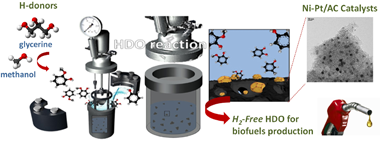
This study presents an integrated approach combining aqueous phase reforming (APR) and hydrodeoxygenation (HDO) for the hydrotreatment of guaiacol, a model compound representing lignin-derived phenols in pyrolysis bio-oils. The APR process enables in-situ H2 generation, eliminating the need for an external hydrogen source. We examine the interplay between metal species, the Pt-promoting effect on Ni-Pt catalyst supported on activated carbon (AC), and the choice of hydrogen source (methanol or glycerol). Amongst the monometallic catalysts, a 1% Pt/AC catalyst notably achieved over 96% guaiacol conversion at 300 degrees C with either hydrogen source. Interestingly, when 0.5-1% of the Ni loading is replaced with Pt, the resulting bimetallic Ni-Pt/AC catalysts demonstrate a significant improvement in guaiacol conversion, reaching 70% when methanol is employed as the hydrogen source. Surprisingly, no comparable enhancement in guaiacol conversion is observed when employing glycerol as the hydrogen source. This observation underlines one of the pivotal effects of the hydrogen source on catalyst performance. X-ray photoemission spectroscopy (XPS) pinpointed strong Ni-Pt interactions in the catalyst. It also revealed distinctive electronic features of Ni-Pt/AC, which are favourable for steering selectivity towards cyclohexanol rather than phenol when Pt loading is increased from 0.5 to 1%. Moreover, Pt enhanced catalyst stability by inhibiting the oxidation of Ni sites and mitigating Ni-Pt phase sintering. Overall, our findings offer important insights into integrating APR and HDO processes, the promotion effect of Pt, and the importance of hydrogen source selection in terms of guaiacol conversion and catalyst stability.
October, 2023 · DOI: 10.1016/j.renene.2023.118907
Reactividad de Sólidos
Influence of Long-Term CaO Storage Conditions on the Calcium Looping Thermochemical Reactivity
Amghar, N; Perejón, A; Ortiz, C; Maqueda, LAP; Sánchez-Jiménez, PEEnergy & Fuels, 37 (2023) 16904-16914 DOI: 10.1021/acs.energyfuels.3c02652
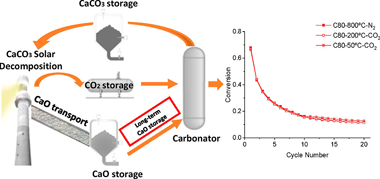
Abstract
Long-term storage capability is often claimed as one of the distinct advantages of the calcium looping process as a potential thermochemical energy storage system for integration into solar power plants. However, the influence of storage conditions on the looping performance has seldom been evaluated experimentally. The storage conditions must be carefully considered as any potential carbonation at the CaO storage tank would reduce the energy released during the subsequent carbonation, thereby penalizing the round-trip efficiency. From lab-scale to conceptual process engineering, this work considers the effects of storing solids at low temperatures (50–200 °C) in a CO2 atmosphere or at high temperatures (800 °C) in N2. Experimental results show that carbonation at temperatures below 200 °C is limited; thus, the solids could be stored during long times even in CO2. It is also demonstrated at the lab scale that the multicycle performance is not substantially altered by storing the solids at low temperatures (under CO2) or high temperatures (N2 atmosphere). From an overall process perspective, keeping solids at high temperatures leads to easier heat integration, a better plant efficiency (+2–4%), and a significantly higher energy density (+40–62%) than considering low-temperature storage. The smooth difference in the overall plant efficiency with the temperature suggests a proper long-term energy storage performance if adequate energy integration is carried out.
October, 2023 · DOI: 10.1021/acs.energyfuels.3c02652
Materiales para Bioingeniería y Regeneración Tisular
Sol–Gel Technologies to Obtain Advanced Bioceramics for Dental Therapeutics
X. Song; J.J. Segura-Egea; A.Díaz-CuencaMolecules, 28 (2023) 6967 DOI: 10.3390/molecules28196967
Abstract
The aim of this work is to review the application of bioceramic materials in the context of current regenerative dentistry therapies, focusing on the latest advances in the synthesis of advanced materials using the sol–gel methodology. Chemical synthesis, processing and therapeutic possibilities are discussed in a structured way, according to the three main types of ceramic materials used in regenerative dentistry: bioactive glasses and glass ceramics, calcium phosphates and calcium silicates. The morphology and chemical composition of these bioceramics play a crucial role in their biological properties and effectiveness in dental therapeutics. The goal is to understand their chemical, surface, mechanical and biological properties better and develop strategies to control their pore structure, shape, size and compositions. Over the past decades, bioceramic materials have provided excellent results in a wide variety of clinical applications related to hard tissue repair and regeneration. Characteristics, such as their similarity to the chemical composition of the mineral phase of bones and teeth, as well as the possibilities offered by the advances in nanotechnology, are driving the development of new biomimetic materials that are required in regenerative dentistry. The sol–gel technique is a method for producing synthetic bioceramics with high purity and homogeneity at the molecular scale and to control the surfaces, interfaces and porosity at the nanometric scale. The intrinsic nanoporosity of materials produced by the sol–gel technique correlates with the high specific surface area, reactivity and bioactivity of advanced bioceramics.
October, 2023 · DOI: 10.3390/molecules28196967
Fotocatálisis Heterogénea: Aplicaciones - Nanotecnología en Superficies y Plasma
Mechanistic aspects of the reduction of rutile titanium dioxide and its Re-oxidation. Development and destruction of crystallographic shear structures
Bickley, RI; Garside, GR; González-Carreño, T; González-Elipe, AR; Navío, JAJournal of Solid State Chemistry, 326 (2023) 124174 DOI: 10.1016/j.jssc.2023.124174
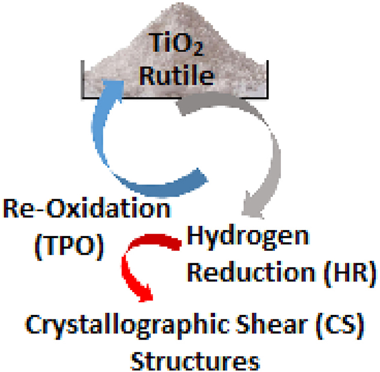
Abstract
A model is presented giving the mean dimensions of acicular octadecahedral microcrystallites of a rutile titanium dioxide powder. Reduction at 823 K, in conjunction with ESR, electrical conductivity and controlled re-oxidation has enabled the model to be applied to reduced microcrystallites. At 300 K they contain <0.1% of paramagnetic [Ti3+↑ VO: ↑Ti3+] reduced edge sites and >99.9% of reduced spin-paired [Ti3+↑↓ Ti3+ VO:] sites. These sites are situated on the external crystal faces and on polygonal bulk crystallographic shear (CS) structures inclined to the microcrystal four-fold symmetry axis. CS structures are quantum-sized [Ti4O7VO:] environments which broaden the paramagnetic signals at 78 K. Temperature programmed reduction in H2(g) reveals atomic hydrogen as a precursor to CS structure formation via a lattice template formed on microcrystallite faces. Shear structures are oxidised on their polygonal perimeters at differing rates on the respective microcrystallite faces by anionic vacancy transfer from sub-surface regions.
October, 2023 · DOI: 10.1016/j.jssc.2023.124174
Materiales Nanoestructurados y Microestructura - Materiales Ópticos Multifuncionales
Understanding the Problem of Hydrogen Storage Using a Demonstration: Coupling a Hydrogen Generator Based on the Hydrolysis of Sodium Borohydride to a Fuel-Cell Kit
Arzac, GM; Calvo, ME; Fernández, AJournal of Chemical Education. 100 (2023) 4554-4558 DOI: 10.1021/acs.jchemed.3c00590
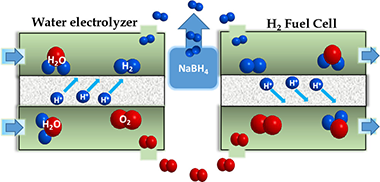
Abstract
In the context of a green global energy paradigm, hydrogen (H-2) is a very promising energy carrier. In fuel cells, hydrogen can be used to generate electricity to drive an electric motor, producing water as its only byproduct. However, to implement hydrogen as an energy vector, developing methods for its production, storage, distribution, and use is essential. Sodium borohydride is a potential hydrogen source capable of releasing H-2 through catalytic hydrolysis. Herein, we present a demonstration that couples a hydrogen generator based on the hydrolysis of sodium borohydride to a commercial fuel-cell kit. The commercial fuel-cell kit operates using the hydrogen generated by an electrolyzer and includes a small fan to prove the successful generation of electricity. The performance of the fuel cell coupled with the borohydride-based reactor is compared to the performance achieved using the hydrogen produced by the electrolyzer. The borohydride-based reactor is designed to power the fan for 300 s and demonstrates efficient and safe hydrogen storage within a small volume of sodium borohydride. This study showcases the hydrogen cycle, the hydrogen storage problem, and the potential of sodium borohydride as a hydrogen storage material in a simple and useful way, contributing to science education and dissemination in the field of energy sustainability.
October, 2023 · DOI: 10.1021/acs.jchemed.3c00590
Materiales de Diseño para la Energía y Medioambiente
Sustainable Integration of Zinc Oxide Nanoparticles: Enhancing Properties of Poly(ε-Caprolactone) Electrospun Nanofibers and Cast Films
Abdullah, JAA; Benítez, JJ; Guerrero, A; Romero, ACoatings, 13 (2023) 1665 DOI: 10.3390/coatings13101665
Abstract
This study investigated the impact of adding zinc oxide nanoparticles (ZnO-NPs) to electrospun membranes and cast films made of poly(epsilon-caprolactone) (PCL). The physicochemical, mechanical, and morphological properties of the samples were analyzed. Physicochemical parameters included water contact angle (WCA), water vapor transmission rate (WVTR), permeance, water vapor permeability (WVP), light transmission (T-600), and transparency (T). Mechanical properties, such as maximum stress (6(max)), elongation (epsilon(max)), and Young's modulus (MPa), were also evaluated. Morphological properties were analyzed in terms of thickness, dispersion, and surface roughness (measured by the arithmetic (Ra) and quadratic (Rq) averages). The crystallinity and melting point, as well as the functional DPPH center dot scavenging percentage (SP%), were also studied. The results showed that adding 1 wt% ZnO-NPs improved the water barrier properties of PCL membranes and films, increasing WCA by 1%-6% and decreasing WVTR by 11%-19%, permeance by 34%-20%, and WVP by 4%-11%, respectively. The T-600 values of PCL/ZnO-NPs membranes and films were 2-3 times lower than those of neat PCL samples, indicating improved optical properties. The mechanical properties of the composite membranes and films also improved, with 6(max) increasing by 56%-32% and Young's modulus increasing by 91%-95%, while epsilon(max) decreased by 79%-57%. The incorporation of ZnO-NPs also increased the thickness and surface roughness of the samples. The SP% of PCL/ZnO-NPs increased by almost 69%, demonstrating the beneficial effects of ZnO-NPs on the system. These findings suggest that incorporating ZnO-NPs into PCL membranes and films can enhance their properties, making them well suited for various applications, such as those within the realm of materials science and nanotechnology.
October, 2023 · DOI: 10.3390/coatings13101665
Reactividad de Sólidos
Metal- based eggshell particles prepared via successive incipient wetness impregnation method as a promoted sorbent for CO2 capturing in the calcium looping process
Imani, M; Tahmasebpoor, M; Sanchez-Jimenez, PEJournal of Environmental Chemical Engineering, 11 (2023) 110584 DOI: 10.1016/j.jece.2023.110584
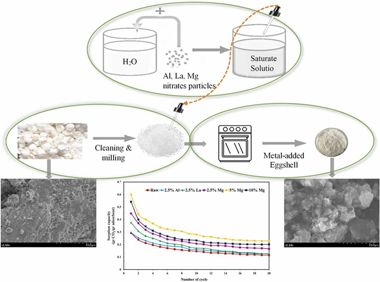
Abstract
Cyclic adsorption by using of bio-waste eggshell particles as a cheap, accessible and environmentally friendly CaCO3 source has been considered as one of the important methods to decrease or remove CO2 from the flue gas. However, deactivation of eggshell particles and CO2 capture capacity decaying with increasing the cycle's number remained as an important challenge. Using metal nitrates as one of the modification methods has been proposed by the researchers to overcome this problem. Current study investigates the influence of three metal nitrates of Al, La and Mg added to the eggshell particles via successive incipient wetness impregnation (SIWI) method to improve their adsorption performance. The TGA results at the end of the 20th carbonation/calcination cycle revealed a meaningful relationship between CaO molar conversion of eggshell modified with metal nitrates and their crystallite size as well as the surface area of the sorbents, so that the smaller the crystal size and the larger the surface area, the higher the molar conversion of CaO could be achieved. Due to the highest conversion obtained for Mg-containing sample, the effect of different weight percentages of this additive was also investigated. Results showed that 5 wt% MgO contained eggshell particles could be reported as the most outstanding sample for its improved molar conversion, capture capacity at the end of 20th carbonation/calcination cycle and BET surface area, which were 30.18%, 0.23 gr CO2/gr adsorbent and 3.5 m2/g while the corresponding amounts for raw eggshell were 17.26%, 0.11 gr CO2/gr adsorbent and 1.63 m2/g, respectively.
October, 2023 · DOI: 10.1016/j.jece.2023.110584
Materiales de Diseño para la Energía y Medioambiente
Biodegradability Assessment of Prickly Pear Waste-Polymer Fibers under Soil Composting
Correa-Pacheco, ZN; Bautista-Baños, S; Benítez-Jiménez, JJ; Ortega-Gudiño, P; Cisneros-López, EO; Hernández-López, MPolymers, 15 (2023) 4164 DOI: 10.3390/polym15204164
Abstract
Nowadays, solving the problems associated with environmental pollution is of special interest. Therefore, in this work, the morphology and thermal and mechanical properties of extruded fibers based on polylactic acid (PLA) and poly(butylene adipate-co-terephthalate) (PBAT) added to prickly pear flour (PPF) under composting for 3 and 6 months were evaluated. The highest weight loss percentage (92 +/- 7%) was obtained after 6-month degradation of the PLA/PBAT/PPF/CO/AA blend, in which PPF, canola oil (CO), and adipic acid (AA) were added. Optical and scanning electron microscopy (SEM) revealed structural changes in the fibers as composting time increased. The main changes in the absorption bands observed by Fourier transform infrared spectroscopy (FTIR) were related to the decrease in -C=O (1740 cm-1) and -C-O (1100 cm-1) groups and at 1269 cm-1, associated with hemicellulose in the blends with PPF. Differential scanning calorimetry (DSC) showed an increase in the cold crystallization and melting point with degradation time, being more evident in the fibers with PPF, as well as a decrease in the mechanical properties, especially Young's modulus. The obtained results suggest that PPF residues could promote the biodegradability of PLA/PBAT-based fiber composites.
October, 2023 · DOI: 10.3390/polym15204164
Química de Superficies y Catálisis
Catalytic conversion of syngas to light hydrocarbons via simulated intermediates CO/CO2/DME/N2/H2 over the regulated acidity of SAPO-34
Meng, FH; Wang, LA; Nawaz, MA; Wang, Q; Gong, ZY; Li, ZChemical Engineering Journal, DOI: 10.1016/j.cej.2023.145895
Abstract
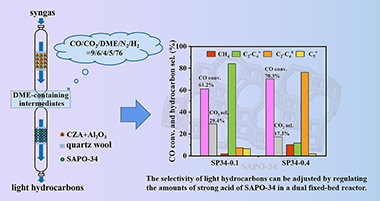
Direct conversion of syngas to light hydrocarbons has been intensively studied in recent years; however, the high selectivity of light hydrocarbons is still a challenging task to achieve a high CO conversion. Here, a bifunctional catalyst consisting of a methanol synthesis catalyst (CZA) and a methanol to dimethyl ether (DME) catalyst (Al2O3) was employed with a hydrocarbon synthesis catalyst (SAPO-34), for syngas conversion to light hydrocarbons in a dual fixed-bed reactor. The conversion of simulated intermediates CO/CO2/DME/N2/H2 with a molar ratio of 9/6/4/5/76, obtained from syngas conversion to DME over CZA and Al2O3, was studied over SAPO-34 zeolites. It was found that SP34-0.1 with Si/Al ratio of 0.1, exhibited low amount of strong acid (0.60 mmol/g) and high selectivity to light olefins (74.1%), while SP34-0.4 with Si/Al ratio of 0.4 exhibited high amount of strong acid (1.00 mmol/g) leading to high selectivity of light paraffins (88.4%). The in-situ DRIFTS analysis illustrated that DME can be rapidly adsorbed on the hydroxyl site of SAPO-34 and decomposed into the surface methyl species, where SP34-0.4 could produce more dimethylcyclopentenyl cationic species than SP340.1. It was suggested that the overall reaction route led to a high selectivity to light olefins (84.2%) with a CO conversion of 61.2% on (CZA + Al2O3) catalyst combined with SP34-0.1, while a high selectivity to light paraffins (76.3%) could be achieved by combining with SP34-0.4 at 70.3% CO conversion. Since, the current study interprets that the selectivity of hydrocarbons can be adjusted by regulating the acidity of SAPO-34 to achieve a high CO conversion in the dual fixed-bed reactor scheme.
October, 2023 · DOI: 10.1016/j.cej.2023.145895
Química de Superficies y Catálisis
Impact of topology framework of microporous solids on methanol carbonylation: An operando DRIFTS-MS study
Luque-Alvarez, LA; Serrano-Cruz, M; Gonzalez-Castano, M; Bobadilla, LF; Odriozola, JAMicroporous and mesoporous materials, 360 (2023) 112725 DOI: 10.1016/j.micromeso.2023.112725
Abstract
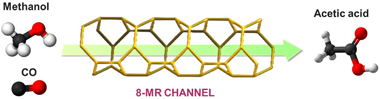
Methanol carbonylation was evaluated over heterogeneous catalysts based on Cu-exchanged zeolitic materials with different topology: Cu@MOR, Cu@FER, and Cu@ZSM-5. Despite the similar Si/Al ratios, it is crucial to acknowledge that the acid strength is influenced by the framework topology, as supported by the NH3-TPD results. This, along with other characterization techniques allowed us to estimate the impact of pore size and pore distribution in these microporous materials on catalytic performance. The channel structure influenced catalytic parameters such as conversion and selectivity. The higher methanol conversion achieved on Cu@FER shows the importance of Bronsted acid sites and redox centres location regarding the topology of the material. Concerning the selectivity, the production of acetic acid was endorsed by the 12-MR (MOR) channels, methyl acetate's production by the 10-MR (FER) channels. Finally, the presence of 6-MR (ZSM-5) channels led to a complete selectivity towards DME production. The reaction mechanism was elucidated via operando DRIFTS-MS and results revealed a bifunctional mechanism in which methanol adsorbs and dehydrates on acidic Bronsted sites and CO is activated over Cu+ species.
October, 2023 · DOI: 10.1016/j.micromeso.2023.112725
Química de Superficies y Catálisis
Water-assisted HDO of biomass model compounds enabled by Ru-based catalysts
Carrasco-Ruiz, S; Parrilla-Lahoz, S; Santos, JL; Penkova, A; Odriozola, JA; Reina, TR; Pastor-Pérez, LFuel Processing Technology, 249 (2023) 107860 DOI: 10.1016/j.fuproc.2023.107860
Abstract
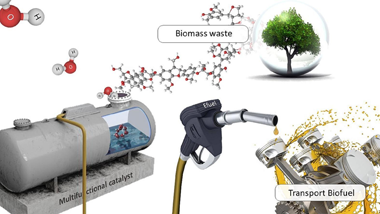
Biofuels upgrading gathering momentum in view of the gradual depletion of fossil fuels and the pursuit of renewable energy sources to mitigate global warming. Hydrodeoxygenation (HDO) is a key reaction in the upgrading of bio-oil to produce hydrocarbon fuels or high-value chemicals. Oxygen removal in bio-oil increases its calorific value, improve thermal and chemical stability, reduce corrosiveness, etc., making the upgraded biooil suitable as a fuel or blending fuel. However, the dependence on high-pressure hydrogen is a serious disadvantage, as it is an expensive resource whose use also poses safety concerns. In this scenario, we propose a pioneering route for model biomass compounds upgrading via H2-free HDO. Herein we have developed multifunctional catalysts based on Ru and ceria supported on carbon able conduct the hydrodeoxygenation reaction using water as hydrogen source. We found that cerium oxide improves ruthenium metallic dispersion and the overall redox properties of the multicomponent system leading to enhanced catalytic performance. Along with the successful catalytic formulation we identify 300 degrees C as an optimal temperature validating the H2-free HDO route for bio-compounds upgrading.
October, 2023 · DOI: 10.1016/j.fuproc.2023.107860
Química de Superficies y Catálisis
Enroute to the Carbon-Neutrality Goals via the Targeted Development of Ammonia as a Potential Nitrogen-Based Energy Carrier
Nawaz, MA; Blay-Roger, R; Saif, M; Meng, FH; González-Arias, J; Miao, BJ; Bobadilla, LF; Ramírez-Reina, T; Odriozola, J.A.ACS Catalysis, 13 (2023) 14415-14453 DOI: 10.1021/acscatal.3c02410
Abstract
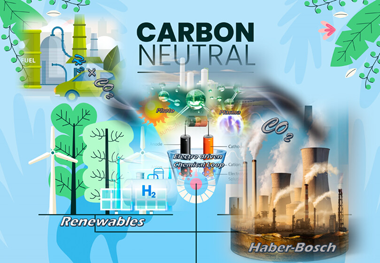
The reliance of a future carbon-free horizon is strongly aligned with the long-term energy storage avenues which are completely derived from renewable energy resources. Ammonia with its high energy content and density can perform as a decent candidate for buffering the short-term storage options. However, the current NH3 production majorly feeding the current huge desire for ammonia is dominated by the conventional nonrenewable Haber–Bosch (H–B) process route, thus continuously damaging the target of carbon neutrality goals. High-purity hydrogen (H2) gas is an essential precursor for the H–B process; however, it is a significant energy consumer (about 2% of the global energy supply) and contributes over 420 million tons of CO2/annum. Therefore, the research on the renewable synthesis of nitrogen-based energy carriers (such as ammonia) from the direct electrochemical, photocatalytic, or plasma catalytic processes; its conversion; and utilization to the potential derivatives has been a hot topic in the past few decades. A prospective analysis of the highly appealing processes has been summarized in this study, which could facilitate the adaption of renewable alternatives as an effective approach for zero carbon emission, paving the excellent pathways along the road to the development of nitrogen-based energy technologies, especially the targeted development of ammonia. Further, this Review covers the current and future impacts of the H–B process, the development of aspiring ammonia synthesis routes (via electro, photo, bio, chemical loop, or plasma catalysis), and its conversion and utilization to the renewable derivatives in terms of fabrication of model catalysts, advanced characterization technology, and efficient device design.
October, 2023 · DOI: 10.1021/acscatal.3c02410
Materiales de Diseño para la Energía y Medioambiente
Mechanical treatments on design powder ceramic materials: Insight into the textural and structural changes
Osuna, FJ; Fernández, M; Pavón, E; Sánchez, RMT; Alba, MDAdvanced Powder Technology, 34 (2023) 104189 DOI: 10.1016/j.apt.2023.104189
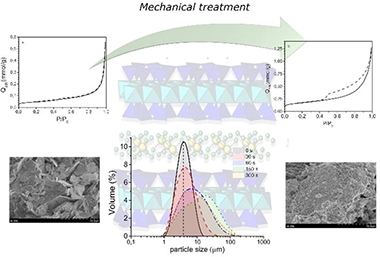
Abstract
Mechanical treatment of porous ceramics, such as porous clay minerals, is a crucial step in ceramic processing. Among clay minerals, design swelling brittle micas have shown exceptional properties for further applications, although they exhibit low surface area and porosity. But, their mechanical activation could improve their textural properties and deserves to be investigated. Thus, the aim of this work was to evaluate the effects of gradual grinding in their surface and framework. At short grinding times, the surface area increases and mesoporous and microporous are generated. Long grinding time provokes particle agglomeration with the consequent change in their colloidal stability. At bulk level, framework defects are observed in both tetrahedral and octahedral sheets and increase with the total layer charge.
October, 2023 · DOI: 10.1016/j.apt.2023.104189
Reactividad de Sólidos
Negative emissions power plant based on flexible calcium-looping process integrated with renewables and methane production
Ortiz, C; García-Luna, S; Carro, A; Chacartegui, R; Pérez-Maqueda, LRenewable & Sustainable Energy Reviews, 185 (2023) 113614 DOI: 10.1016/j.rser.2023.113614
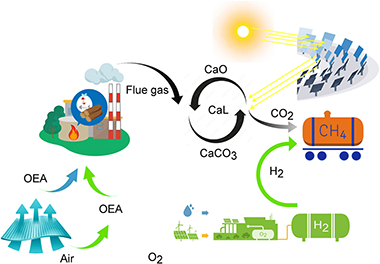
Abstract
This paper provides a review of negative carbon capture technologies. Based on these technologies, here it is proposed an innovative negative emissions power plant combining the generation and storage of energy from biomass, photovoltaic, and concentrated solar power, capturing and recovering CO2 by producing H2 or CH4 as green energy carriers. The main features of the system are i) large-scale energy production system with negative CO2 emissions; ii) 100% renewable system based on biomass and solar energy with the possibility of integrating other renewables; iii) synergistic integration of processes and systems; iv) recovery of O2 generated by photovoltaic-driven electrolysis within the process of partial biomass oxycombustion and v) solar-driven limestone calcination. A detailed model of the entire plant is developed to evaluate the integration of the process. The model performance is assessed on an hourly basis throughout the whole year. The base case results show an energy consumption from 1 to 2.1 MJ/kg CO2 to capture 60–77% of CO2 emitted from the biomass plant and green methane production of more than 7500 tons/year. The negative emissions associated with the process are -612 kg CO2/MWh. It justifies the interest in the proposed negative emissions power plant.
October, 2023 · DOI: 10.1016/j.rser.2023.113614
Materiales y Procesos Catalíticos de Interés Ambiental y Energético
Cobalt Stabilization through Mesopore Confinement on TiO2 Support for Fischer-Tropsch Reaction
Platero, F; Todorova, S; Aoudjera, L; Michelin, L; Lebeau, B; Blin, JL; Holgado, JP; Caballero, A; Colón, GACS Applied Energy Materials, 6 (2023) 9475-9486 DOI: 10.1021/acsaem.3c01432
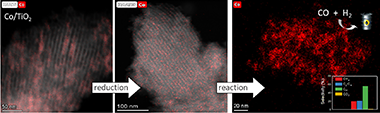
Abstract
Cobalt supported on mesostructured TiO2 catalysts has been prepared by a wet-impregnation method. The Co/TiO2 catalytic system showed better catalytic performance after support calcination at 380 °C. Co nanoparticles appeared well distributed along the mesopore channels of TiO2. After reduction pretreatment and reaction, a drastic structural change leads to mesopore structure collapse and the dispersion of the Co nanoparticles on the external surface. Along this complex process, Co species first form discrete nanoparticles inside the pore and then diffuse out as the pore collapses. Through this confinement, a strong metal–support interaction effect is hindered, and highly stable metal active sites lead to better performance for Fischer–Tropsch synthesis reaction toward C5+ products.
September, 2023 · DOI: 10.1021/acsaem.3c01432
Nanotecnología en Superficies y Plasma
Germination and First Stages of Growth in Drought, Salinity, and Cold Stress Conditions of Plasma-Treated Barley Seeds
Perea-Brenes, A; Garcia, JL; Cantos, M; Cotrino, J; Gonzalez-Elipe, AR; Gomez-Ramirez, A; López-Santos, CACS Agricultural Science & Technology, 3 (2023) 760-770 DOI: 10.1021/acsagscitech.3c00121
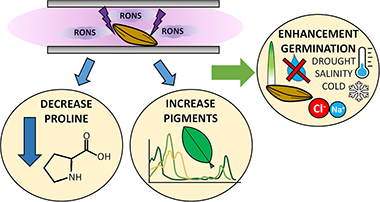
Abstract
Numerous works have demonstrated that cold plasma treatments constitute an effective procedure to accelerate seed germination under nonstress conditions. Evidence also exists about a positive effect of plasmas for germination under environmental stress conditions. For barley seeds, this work studies the influence of cold plasma treatments on the germination rate and initial stages of plant growth in common stress environments, such as drought, salinity, and low-temperature conditions. As a general result, it has been found that the germination rate was higher for plasma-treated than for untreated seeds. Plasma also induced favorable changes in plant and radicle dimensions, which depended on the environment. The obtained results demonstrate that plasma affects the biochemical metabolic chains of seeds and plants, resulting in changes in the concentration of biochemical growing factors, a faster germination, and an initially more robust plant growth, even under stress conditions. These changes in phenotype are accompanied by differences in the concentration of biomarkers such as photosynthetic pigments (chlorophylls a and b and carotenoids), reactive oxygen species, and, particularly, the amino acid proline in the leaves of young plants, with changes that depend on environmental conditions and the application of a plasma treatment. This supports the idea that, rather than an increase in seed water imbibition capacity, there are clear beneficial effects on seedling of plasma treatments.
September, 2023 · DOI: 10.1021/acsagscitech.3c00121
Nanotecnología en Superficies y Plasma
Plasma assisted dry reforming of methane: Syngas and hydrocarbons formation mechanisms
Navascues, P; Cotrino, J; Gonzalez-Elipe, AR; Gomez-Ramirez, AFuel Processing Technology, 248 (2023) 107827 DOI: 10.1016/j.fuproc.2023.107827
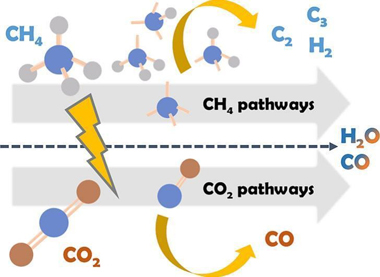
Abstract
Plasma reactions of CO2 + CH4 mixtures have been proposed as a suitable process for the dry reforming of methane. Without specific catalysts, most studies report the formation of CO and H2 as main reaction products and arise the question whether CHx radicals coming from CH4 may interact with intermediate species formed by electron impact dissociation of CO2, a critical step for the formation of high added value oxygenated compounds. We have addressed this question studying the CO2 + CH4 plasma reaction in a ferroelectric-moderated packed -bed reactor varying the reactants ratio. Analysis of the reaction products by mass spectrometry and the plasma reaction intermediates by optical emission spectroscopy suggest that few direct cross-link interactions exist between intermediate plasma species issued from CH4 or CO2. This preliminary evidence is corroborated by experiments using 13CO2 instead 12CO2 as reactant. The isotope labeling procedure has proved that plasma re-action mechanisms of CO2 and CH4 molecules proceed almost independently, with the formation of small amounts of water and the removal of carbon deposits resulting CH4 plasma decomposition as sole evidences of cross reactions. These results highlight the need of using catalysts to promote specific surface reactions for a better control of the selectivity of the process.
September, 2023 · DOI: 10.1016/j.fuproc.2023.107827
Química de Superficies y Catálisis
Process design and utilisation strategy for CO2 capture in flue gases. Technical assessment and preliminary economic approach for steel mills
Navarro, JC; Baena-Moreno, FM; Centeno, MA; Laguna, OH; Almagro, JF; Odriozola, JARenewable & Sustainable Energy Reviews, 184 (2023) 113537 DOI: 10.1016/j.rser.2023.113537
Abstract
The steel industry is the most relevant sector in emerging economies due to its application in numerous fields. However, steel manufacturing involves large energy investment and produces significant greenhouse gas emissions. The current world economic and environmental scenario therefore necessitates that improvements in the footprint of the steel industry be made without affecting its viability. Considering the present challenge, we report two possible processes for Carbon Capture and Utilization (CCU). The first process is the competitive capture of CO2-SO2, followed by CO2 valorisation to methane. However, the CO2 capture capacity and lifetime for the adsorbent after multiple cycles could be improved through preliminary desulphurization of the gas current. The improved system demonstrates net profitability in a typical stainless steel plant. Therefore, it can be implemented in an industrial setting without profitability loss to steelmaking operations, fulfilling bot the goal of reducing CO2 emissions while protecting the mainstay of the plant.
September, 2023 · DOI: 10.1016/j.rser.2023.113537
Materiales Semiconductores para la Sostenibilidad
Understanding ice and water film formation on soil particles by combining density functional theory and Casimir-Lifshitz forces
Bostrom, M; Kuthe, S; Carretero-Palacios, S; Esteso, V; Li, Y; Brevik, I; Gopidi, HR; Malyi, OI; Glaser, B; Persson, CPhysical Review B, 108 (2023) 125434 DOI: 10.1103/PhysRevB.108.125434
Abstract
Thin films of ice and water on soil particles play crucial roles in environmental and technological processes. Understanding the fundamental physical mechanisms underlying their formation is essential for advancing scientific knowledge and engineering practices. Herein, we focus on the role of the Casimir-Lifshitz force, also referred to as dispersion force, in the formation and behavior of thin films of ice and water on soil particles at 273.16 K, arising from quantum fluctuations of the electromagnetic field and depending on the dielectric properties of interacting materials. We employ the first-principles density functional theory (DFT) to compute the dielectric functions for two model materials, CaCO3 and Al2O3, essential constituents in various soils. These dielectric functions are used with the Kramers-Kronig relationship and different extrapolations to calculate the frequency-dependent quantities required for determining forces and free energies. Moreover, we assess the accuracy of the optical data based on the DFT to model dispersion forces effectively, such as those between soil particles. Our findings reveal that moisture can accumulate into almost micron-sized water layers on the surface of calcite (soil) particles, significantly impacting the average dielectric properties of soil particles. This research highlights the relevance of DFT-based data for understanding thin film formation in soil particles and offers valuable insights for environmental and engineering applications.
September, 2023 · DOI: 10.1103/PhysRevB.108.125434
Nanotecnología en Superficies y Plasma
Paper-based ZnO self-powered sensors and nanogenerators by plasma technology
Garcia-Casas, X; Aparicio, FJ; Budagosky, J; Ghaffarinejad, A; Orozco-Corrales, N; Ostrikov, K; Sánchez-Valencia, JR; Barranco, A; Borras, ANano Energy, 114 (2023) 108686 DOI: 10.1016/j.nanoen.2023.108686
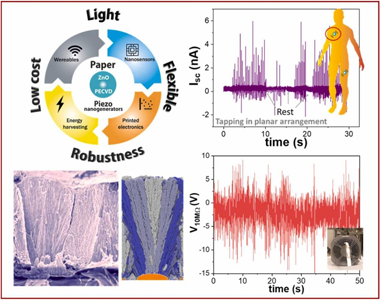
Abstract
Nanogenerators and self-powered nanosensors have shown the potential to power low-consumption electronics and human-machine interfaces, but their practical implementation requires reliable, environmentally friendly and scalable processes for manufacturing and processing. Furthermore, the emerging flexible and wearable electronics technology demands direct fabrication onto innovative substrates such as paper and plastics typically incompatible with high process temperatures. This article presents a plasma synthesis approach for the fabri-cation of piezoelectric nanogenerators (PENGs) and self-powered sensors on paper substrates. Polycrystalline ZnO nanocolumnar thin films are deposited by plasma-enhanced chemical vapour deposition on common paper supports using a microwave electron cyclotron resonance reactor working at room temperature yielding high growth rates and low structural and interfacial stresses. Applying Kinetic Monte Carlo simulation, we elucidate the basic shadowing mechanism behind the characteristic microstructure and porosity of the ZnO thin films, relating them to an enhanced piezoelectric response to periodic and random inputs. The piezoelectric devices are assembled by embedding the ZnO films in polymethylmethacrylate (PMMA) and using Au thin layers as elec-trodes in two different configurations, namely laterally and vertically contacted devices. We present the response of the laterally connected devices as a force sensor for low-frequency events with different answers to the applied force depending on the impedance circuit, i.e. load values range, a behaviour that is theoretically analyzed. The characterization of the vertical devices in cantilever-like mode reaches instantaneous power densities of 80 nW/ cm2 with a mean power output of 20 nW/cm2. Besides, we analyze their actual-scenario performance by acti-vation with a fan and handwriting. Overall, this work demonstrates the advantages of implementing plasma deposition for piezoelectric films to develop robust, flexible, stretchable, and enhanced-performance nano-generators and self-powered piezoelectric sensors compatible with inexpensive and recyclable supports.
September, 2023 · DOI: 10.1016/j.nanoen.2023.108686
Nanotecnología en Superficies y Plasma
Exalted dual-scale surface roughening in laser ablated aluminum capped with a transparent thin film: Wetting and anti-icing behavior
Ghemras, I; Montes, L; Lopez-Santos, C; Gonzalez-Elipe, AR; Rico, VApplied Surface Science, 630 (2023) 157357 DOI: 10.1016/j.apsusc.2023.157357
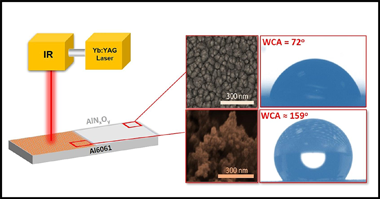
Abstract
Near infrared laser ablation of metals, specifically aluminum, has been systematically applied to generate surface roughness. Very high laser fluences may even lead to a so called "explosive" ablation regime where roughness becomes dramatically enhanced. In the present work we have developed an alternative methodology that, uti-lizing milder laser irradiation conditions (i.e. laser fluences from 0.37 to 0.72 J/cm2), renders aluminum surfaces with a dual-scale roughness character and Sp parameter values twice or even trice the value found in reference samples. This has been possible for aluminum substrates coated with a highly transparent aluminum oxynitride capping layer. The resulting surfaces, consisting of very rough partially oxidized aluminum with negligible amounts of nitrogen species, resulted highly hydrophobic and depicted long icing delay times as required for anti-icing applications. A correlation has been found between the wetting and anti-icing behaviors, the use of a capping layer and the laser irradiation conditions. To account for this exalted roughening phenomenon, we propose that the transparent capping layer confines the laser energy within the aluminum shallow zones, delays the formation of the plasma plume and produces an enhancement in the aluminum ablation, even at relatively low laser fluences.
September, 2023 · DOI: 10.1016/j.apsusc.2023.157357
Nanotecnología en Superficies y Plasma - Materiales Ópticos Multifuncionales
Effect of the effective refractive index on the radiative decay rate in nanoparticle thin films
Romero, M; Sánchez-Valencia, JR; Lozano, G; Míguez, HNanoscale, 15 (2023) 15279-15287 DOI: 10.1039/d3nr03348a
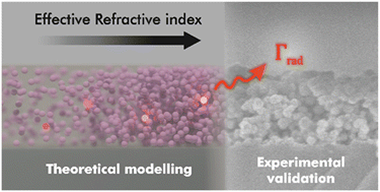
Abstract
In this work, we theoretically and experimentally study the influence of the optical environment on the radiative decay rate of rare-earth transitions in luminescent nanoparticles forming a thin film. We use electric dipole sources in finite-difference time-domain simulations to analyze the effect of modifying the effective refractive index of transparent layers made of phosphor nanocrystals doped with rare earth cations, and propose a correction to previously reported analytical models for calculating the radiative decay rate. Our predictions are tested against an experimental realization of such luminescent films, in which we manage to vary the effective refractive index in a gradual and controllable manner. Our model accurately accounts for the measurements attained, allows us to discriminate the radiative and non-radiative contributions to the time-resolved photoluminescence, and provides a way to rationally tune the spontaneous decay rate and hence the photoluminescence quantum yield in an ensemble of luminescent nanoparticles.
September, 2023 · DOI: 10.1039/d3nr03348a
Materiales Coloidales
Lanthanide vanadate-based trimodal probes for near-infrared luminescent bioimaging, high-field magnetic resonance imaging, and X-ray computed tomography
Gomez-Gonzalez, E; Gonzalez-Mancebo, D; Nunez, NO; Caro, C; Garcia-Martin, ML; Becerro, AI; Ocaña, MJournal of Colloid and Interface Science, 646 (2023) 721-731 DOI: 10.1016/j.jcis.2023.05.078
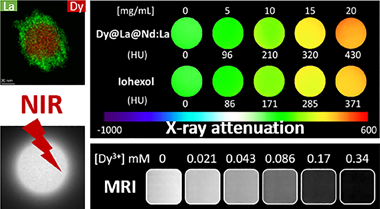
Abstract
We have developed a trimodal bioimaging probe for near-infrared luminescent imaging, high-field magnetic resonance imaging, and X-ray computed tomography using Dy3+ as the paramagnetic component and Nd3+ as the luminescent cation, both of them incorporated in a vanadate matrix. Among different essayed architectures (single phase and core-shell nanoparticles) the one showing the best luminescent properties is that consisting of uniform DyVO4 nanoparticles coated with a first uniform layer of LaVO4 and a second layer of Nd3+-doped LaVO4. The magnetic relaxivity (r2) at high field (9.4 T) of these nanoparticles was among the highest values ever reported for this kind of probes and their X-ray attenuation properties, due to the presence of lanthanide cations, were also better than those of a commercial contrast agent (iohexol) commonly used for X-ray computed to-mography. In addition, they were chemically stable in a physiological medium in which they could be easily dispersed owing to their one-pot functionalization with polyacrylic acid, and, finally, they were non-toxic for human fibroblast cells. Such a probe is, therefore, an excellent multimodal contrast agent for near-infrared luminescent imaging, high-field magnetic resonance imaging, and X-ray computed tomography.
September, 2023 · DOI: 10.1016/j.jcis.2023.05.078
Fotocatálisis Heterogénea: Aplicaciones - Reactividad de Sólidos
Effect of Alkaline Salts on Pyrolyzed Solid Wastes in Used Edible Oils: An Attenuated Total Reflectance Analysis of Surface Compounds as a Function of the Temperature
Romero-Sarria, F; Real, C; Córdoba, JM; Hidalgo, C; Alcalá, MDSpectroscopy Journal, 1 (2023) 98-110 DOI: 10.3390/spectroscj1020009
Abstract
Biochars obtained via the pyrolysis of biomass are very attractive materials from the point of view of their applications and play key roles in the current energy context. The characterization of these carbonaceous materials is crucial to determine their field of application. In this work, the pyrolysis of a non-conventional biomass (solid wastes in used edible oils) was investigated. The obtained biochars were characterized using conventional techniques (TG, XRD, and SEM-EDX), and a deep analysis via ATR-FTIR was performed. This spectroscopic technique, which is a rapid and powerful tool that is well adapted to study carbon-based materials, was employed to determine the effect of temperature on the nature of functional groups on the surface. Moreover, the water washing of the raw sample (containing important quantities of inorganic salts) before pyrolysis evidenced that the inorganic salts act as catalysts in the biomass degradation and influence the degree of condensation (DOC) of PAH. Moreover, it was observed that these salts contribute to the retention of oxygenated compounds on the surface of the solid.
September, 2023 · DOI: 10.3390/spectroscj1020009
Materiales Nanoestructurados y Microestructura
Preparation, characterization and activation of Pd catalysts supported on CNx foam for the liquid phase decomposition of formic acid
Arzac, GM; Rojas, TC; Real, C; Fernández, AInternational Journal of Hydrogen Energy, 48 (2023) 31899-31613 DOI: 10.1016/j.ijhydene.2023.04.244
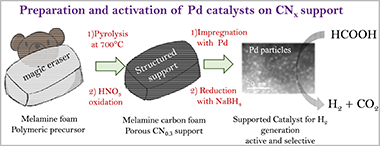
Abstract
In this work, we have prepared a series of Pd catalysts on a CNx support for the liquid phase decomposition of formic acid. The structured CNx support was obtained through thermal pyrolysis of melamine foam and the pyrolysis conditions were optimized to achieve high surface area. The resulting support contains high amount of nitrogen with a contribution of pyridinic component. Several Pd catalysts were prepared and under optimized condi-tions, we were able to obtain small (2.7 +/- 0.9) nm Pd particles by using the oxidized support in powdery form. The activity of the optimized catalyst was studied under different con-ditions in the fresh and the used form. The fresh catalyst did not show significant activity. However, we found that the catalyst activated after use. Activation was understood in terms of the variation of surface Pd oxidation states under the effect of formic acid/sodium formate solutions. We found that the best activity is achieved under an optimal proportion of Pd0/PdII surface states according to previous reports. Under the best conditions, the activity of the best catalyst (8.6Pd/CN0.3) was as high as 9245 h-1, attributable to the small particle size, the Pd0/PdII ratio, the amount of pyridinic nitrogen, and the testing conditions, which included the preadsorption of sodium formate
September, 2023 · DOI: 10.1016/j.ijhydene.2023.04.244
Química de Superficies y Catálisis
Charting a path to catalytic upcycling of plastic micro/nano fiber pollution from textiles to produce carbon nanomaterials and turquoise hydrogen
Silvia Parrilla-Lahoz; Marielis C. Zambrano; Vlad Stolojan; Rachida Bance-Soualhi; Joel J. Pawlak; Richard A. Venditti; Tomas Ramirez Reina; Melis S. DuyarRSC Sustainability, 1 (2023) 1177-1183 DOI: 10.1039/D3SU00095H
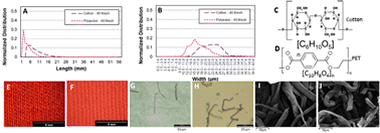
Abstract
Washing synthetic textile fibers releases micro/nano plastics, endangering the environment. As new filters and associated regulations are developed to prevent fiber release from washing machines, there emerges a need to manage the collected waste, for which the only current options are combustion or landfill. Herein we show for the first time the application of a catalytic pyrolysis approach to upcycle textile derived fibrous micro/nano plastics waste, with the aim of keeping carbon in the solid phase and preventing its release as a greenhouse gas. Herein, we demonstrate the co-production of hydrogen and carbon nanomaterials from the two most prevalent global textile microfiber wastes: cotton and polyester. Our results pave a way forward to a realistic process design for upcycling mixed micro/nano fiber waste collected from laundering, drying, vacuuming, and environmental cleanup.
August, 2023 · DOI: 10.1039/D3SU00095H
Nanotecnología en Superficies y Plasma - Tribología y Protección de Superficies
Ti6Al4V coatings on titanium samples by sputtering techniques: Microstructural and mechanical characterization
Sanchez-Lopez, JC; Rodriguez-Albelo, M; Sanchez-Perez, M; Godinho, V; Lopez-Santos, C; Torres, YJournal of Alloys and Compounds, 952 (2023) 170018 DOI: 10.1016/j.jallcom.2023.170018
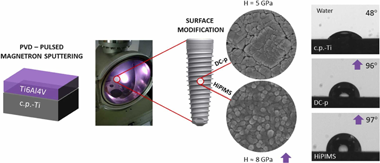
Abstract
Although titanium is widely used as biomaterial, the control of the interface properties between its surface and the surrounding physiological environment (like bone, other tissues or biofluids) results crucial to achieve a successful osseointegration and good biomechanical and functional performance. In this work, commercially pure titanium (Grade IV) discs obtained by conventional powder metallurgy were coated with 1-3 mu m of Ti6Al4V (Grade V) alloy using DC-pulsed or high-power impulse magnetron sputtering (HiPIMS) technique with the aim of improving their biomedical performance. SEM, confocal microscopy, X-ray dif-fraction, nanoindentation and wetting measurements are used to evaluate the bio-interface role of the titanium-coated implants. Conformal Ti6Al4V coatings with controlled nano-roughness can be deposited with enhanced mechanical (H = 5-8 GPa; E = 140-160 GPa) and hydrophobic properties thanks to a dense columnar structure. The increased Ti-O bonding at the interface helps to prevent the corrosion due to the formation of a surface passivation layer. Particularly in the case of the HiPIMS process, the surface mod-ification of titanium implants (chemistry, morphology and structure) appears as an effective strategy for satisfying the biomedical requirements and functionality, with enhanced mechanical properties and na-nostructuration for prevention of bacteria colonization.
August, 2023 · DOI: 10.1016/j.jallcom.2023.170018
Threads of memory: Reviving the ornament of a dead child at the Neolithic village of Ba`ja (Jordan)
Alarashi, H et al. [Aviles, MA]Plos One, 18 (2023) DOI: 10.1371/journal.pone.0288075
Abstract
In 2018, a well-constructed cist-type grave was discovered at Ba`ja, a Neolithic village (7,400-6,800 BCE) in Southern Jordan. Underneath multiple grave layers, an 8-year-old child was buried in a fetal position. Over 2,500 beads were found on the chest and neck, along with a double perforated stone pendant and a delicately engraved mother-of-pearl ring discovered among the concentration of beads. The first was found behind the neck, and the second on the chest. The meticulous documentation of the bead distribution indicated that the assemblage was a composite ornament that had gradually collapsed, partly due to the burying position. Our aim was to challenge time degradation and to reimagine the initial composition in order to best explore the significance of this symbolic category of material culture, not as mere group of beads, but as an ornamental creation with further aesthetic, artisanal and socioeconomic implications. The reconstruction results exceeded our expectations as it revealed an imposing multi-row necklace of complex structure and attractive design. Through multiple lines of evidence, we suggest that the necklace was created at Ba`ja, although significant parts of beads were made from exotic shells and stones, including fossil amber, an unprecedented material never attested before for this period. The retrieval of such an ornament from life and its attribution to a young dead child highlights the significant social status of this individual. Beyond the symbolic functions related to identity, the necklace is believed to have played a key role in performing the inhumation rituals, understood as a public event gathering families, relatives, and people from other villages. In this sense, the necklace is not seen as belonging completely to the realm of death but rather to the world of the living, materializing a collective memory and shared moments of emotions and social cohesion.
August, 2023 · DOI: 10.1371/journal.pone.0288075
Química de Superficies y Catálisis
Hydrogen production by catalytic aqueous-phase reforming of waste biomass: a review
González-Arias, J; Zhang, Z; Reina, TR; Odriozola, JAEnvironmental Chemistry Letters, 21 (2023) 3089-3104 DOI: 10.1007/s10311-023-01643-w
Abstract
The rising adverse effects of climate change call for a rapid shift to low-carbon energy and reducing our dependence on fossil fuels. For that, biorefineries appear as promising alternatives to produce energy, chemicals, and fuels using biomass and waste as raw materials. Here, we review catalytic aqueous-phase reforming to convert biomass and organic waste carbohydrates into renewable hydrogen, with focus on reforming basics; catalyst design; reforming of model compounds, wastewater and biomass; economics and life cycle assessment. We found that platinum and palladium are technically highly effective, yet their high price may limit upscaling. Alternatively, addition of tin to nickel gives acceptable results and improves hydrogen selectivity from 35 to 90%. We observed that hydrogen production decreases from 14% for crude glycerol to 2% for pure glycerol, thus highlighting the need to do experiments with real wastewater. The rare experiments on real wastewater from brewery, juice, tuna, and cheese industries have given hydrogen production rates of up to 149.7 mg/L. Aqueous-phase reforming could be shortly competitive with prices around 3-6 USD per kg of hydrogen, which are nearing the current market prices of 2-3 USD per kg.
August, 2023 · DOI: 10.1007/s10311-023-01643-w
- ‹ previous
- 4 of 37
- next ›



icms